Designing for the Human Experience: Insights from NeoCon/Design Days 2026
Designing for the human experience is an evolving craft. Spending three days fully immersed in NeoCon and Design Days reminded me of exactly why we do what we do as designers.
The experience offered the opportunity to reconnect with the pulse of the industry, explore new ideas, and learn from manufacturers and designers who are pushing the boundaries of what’s possible. The unveiling of innovative products and creative applications kept the showrooms buzzing with energy. I left with a refreshed perspective, inspired by the concepts and practical insights that I could bring back to our team at MA Design and ultimately to the clients we serve.
As I explored the show, conversed with others, and listened to presentations, one question seemed to surface everywhere I went:
How do we create spaces that people genuinely want to experience and connect with?
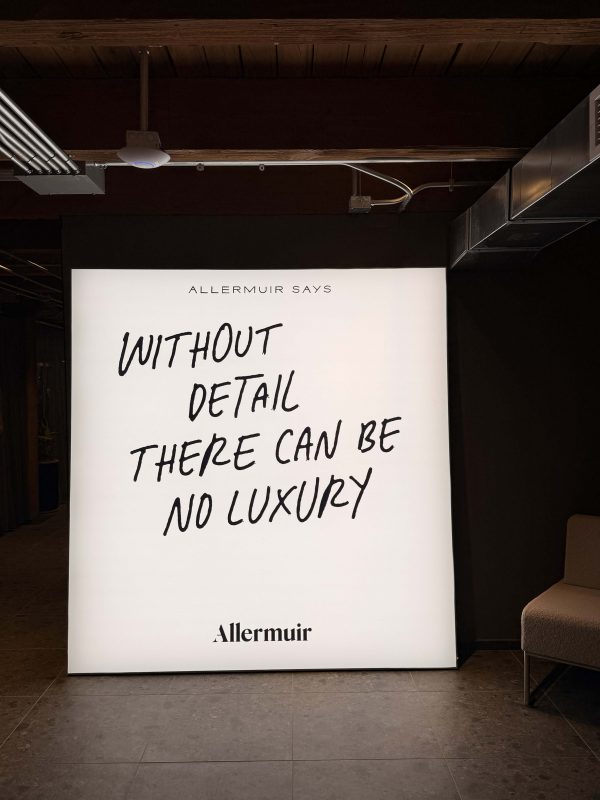
No matter the commercial space we are designing for, that question continues to be relevant.
While every manufacturer introduced new products, the biggest takeaway wasn’t a single furniture piece, lighting fixture, or material. Instead, it was the themes created by each individual showroom and talk. Designing spaces people actually want to use, supporting wellbeing, focusing on inclusive environments, creating immersive experiences, and embracing technology to rethink how products are made. These ideas are already influencing how we think about commercial design, and I’m excited to further explore how they can shape our projects moving forward, from a different perspective.
Designing for the Senses: Immersive Spaces
There were a couple showrooms that left a lasting impression on me, most importantly because they were designed in a way that when you stepped into them, you were fully immersed in the experience.
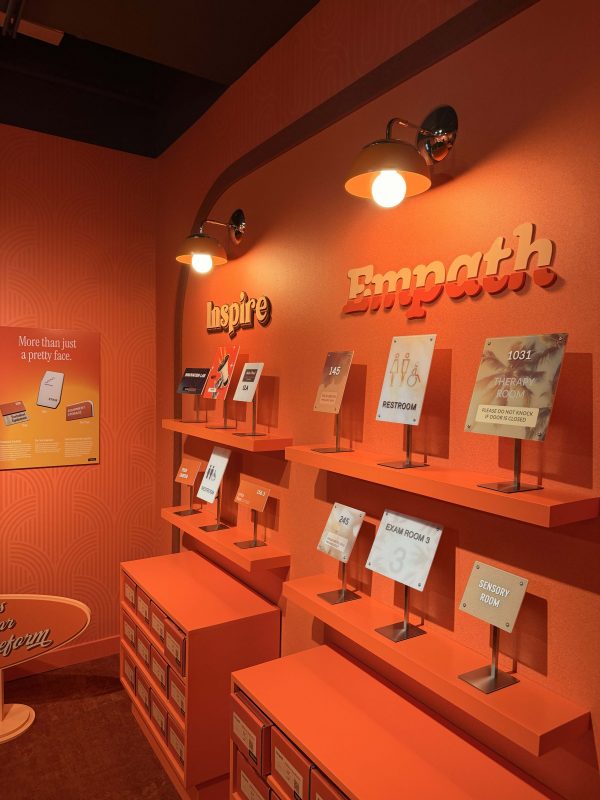
Takeform, an architectural signage, wayfinding, and experiential design manufacturer, had a showroom inspired by a 1970s retail environment. The showroom was drenched in saturated color palettes, with heavy retro influences, and unexpected installations. Signage was incorporated into perfume bottles, vinyl records, and displayed on hangers, evoking the experience of browsing through a retail store. It was nostalgic, creative, and a powerful reminder that wayfinding doesn’t have to be static or purely utilitarian. They took a relatively straightforward product, and turned it into an engaging brand experience, reinforcing the idea that even the most functional elements of a space can become an opportunity for storytelling and memorable design.
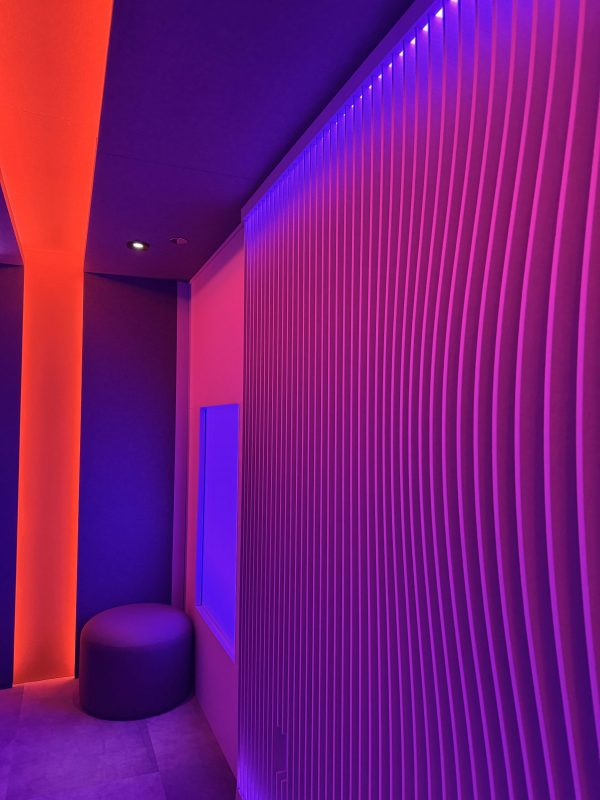
Turf is known for their acoustic products, and they consistently create a standout showroom each year. This year, the space featured a live DJ, loud music, neon lighting, and bold colors. Walking into the showroom felt like walking into an immersive exhibit. It was futuristic, energetic, and incredibly fun. Surrounded by their products from floor to ceiling, they showcased the versatility of their acoustic solutions, both functionally and aesthetically. The showroom demonstrated that acoustic products are more than a performance feature, they can become a defining design element that shapes the entire experience of a space.
The thing that stood out to me most about these showrooms wasn’t about one specific product, it was that the environments were designed to engage people through multiple senses. A concept we have the opportunity to incorporate into all of our projects.
Designing for Human Well-being
Beyond the physical and sensory experience, there is an ever evolving emphasis on designing for human well-being as a whole. As designers, we create environments that people use and experience in some way, every single day. We have a responsibility to design these spaces in a way that supports physical and emotional well-being.
There were two impressive new innovative products released at NeoCon this year, both winning multiple awards, and both directly supporting human health.
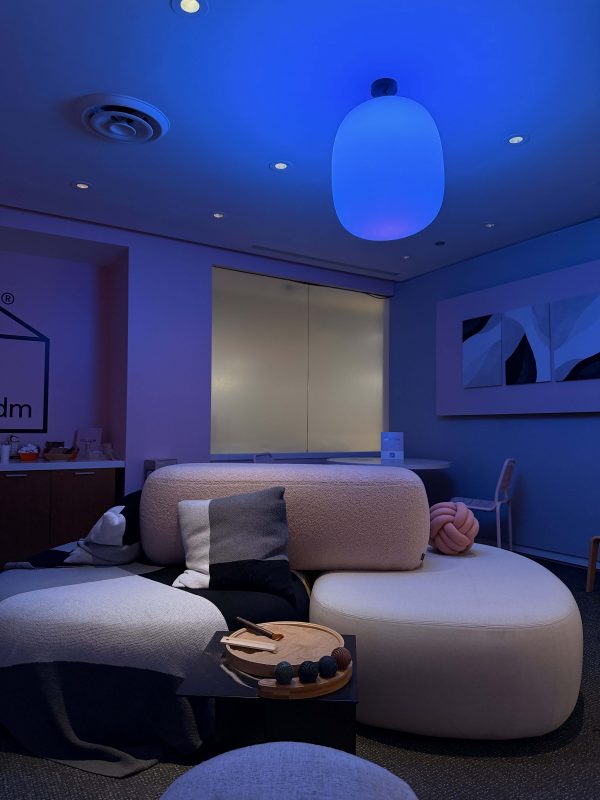
The new release from BIOS Lighting, called SkyView follows a circadian rhythm, with subtle shifting light throughout the day. The fixture replicates the appearance of a blue sky, creating a calming and restorative environment. My immediate thought was how impactful this could be in respite rooms, mothers’ rooms, or other wellness-focused spaces where comfort and stress reduction are a priority.
Often in design we look to biophilia to strengthen the connection between people and nature. This fixture felt like a natural evolution of that concept, bringing the same qualities to interior spaces through dynamic lighting, rather than physical materials alone. It’s an exciting reminder that technology can support occupant well-being in thoughtful, human-centered ways.
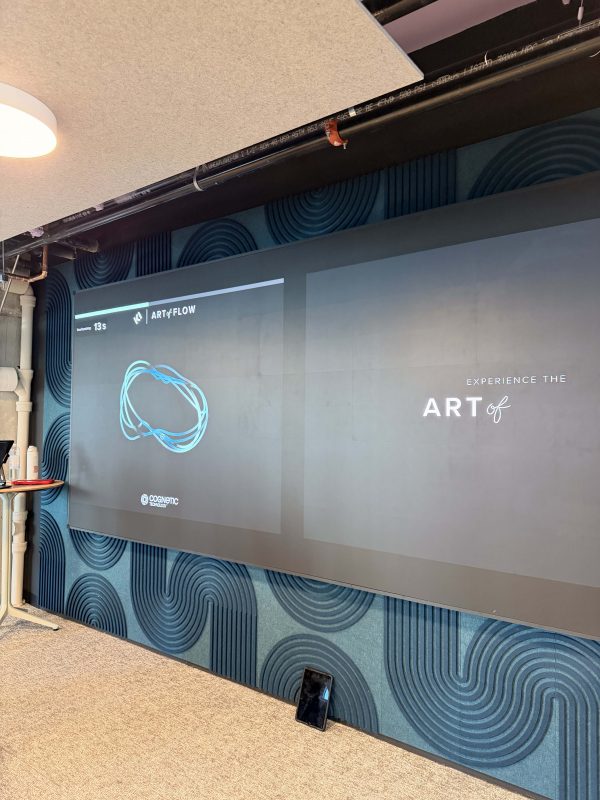 Another innovative product introduction that had everyone talking was the Kiaura Chair by KI. The chair brings something new to the task seating industry, embracing movement. Designed to support the body’s natural need to move, rather than forcing users into rigid, static positions, it gives people greater freedom of choice while enhancing overall comfort. The basis of a supportive, ergonomic task chair is already there, but this innovation represents a shift beyond the norm, a shift that supports the power of choice.
These products demonstrate how the industry is redefining innovation. Manufacturers are not only considering performance and aesthetics, but also looking to create solutions that prioritize comfort, wellness, and the overall human experience, an encouraging direction for the future of design.
Designing Beyond the Program
Inclusive design is at the forefront of the work that we do. As I explored NeoCon this year, I challenged myself to think about this in a broader sense. I attended a NeoCon Talk x Design Milk session featuring Quána Madison of ArtLifting, which explored how we can create environments where everyone feels welcome, valued, and connected – a true sense of community. While the discussion was centered largely on art, I took the message as an opportunity to think about inclusive design from this lens.
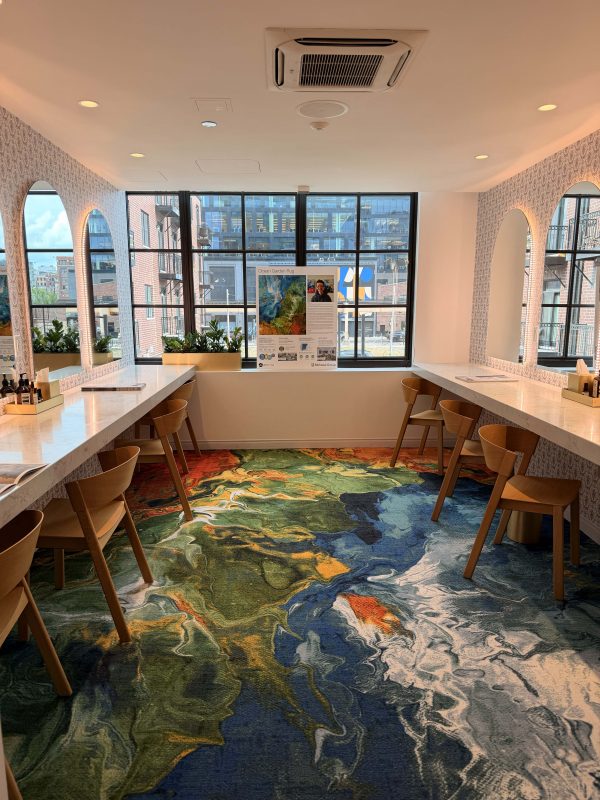
Mohawk‘s initiative to transform artwork into accent carpet did just that. Their showroom featured a beautiful, vibrant carpet that was created from the artwork of a non-verbal child. This was the perfect demonstraton of how design can celebrate individual expression while fostering a greater sense of belonging and community. It was a meaningful reminder that inclusive design is also about creating spaces that reflect and empower the people who use them.
This example reinforced another concept that surfaced. Great design begins by understanding people, not just programs. Another Neocon Talks x Design Milk presentation that I attended featured Dwayne MacEwen of DMAC Architecture & Interiors. In this session he challenged designers to move beyond what’s written in a space program and instead consider how people will actually experience an environment. He used live project examples to remind us that when we go into a project with a fresh mind, and when we take the time to really understand how a space is going to be used, or how it could go beyond the standard list of requirements, we create special spaces.
This philosophy closely aligns with how we approach projects at MA Design.
Rather than relying solely on written programming documents, our team regularly spends time observing operations, meeting with users, and understanding daily workflows for each unique project before design begins.
When we understand how people interact with their environments, we’re able to create spaces that feel more intuitive, supportive, and connected to the people they serve.
Color Washing and Bold Palettes
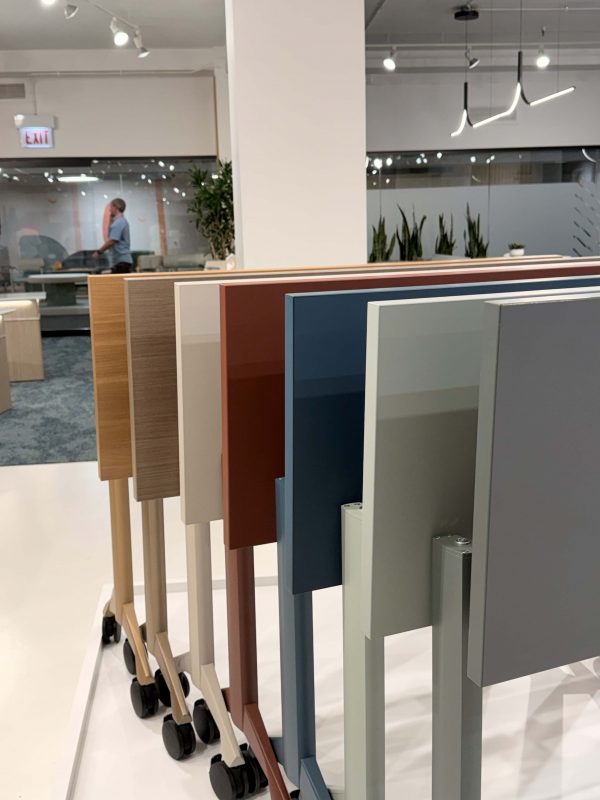
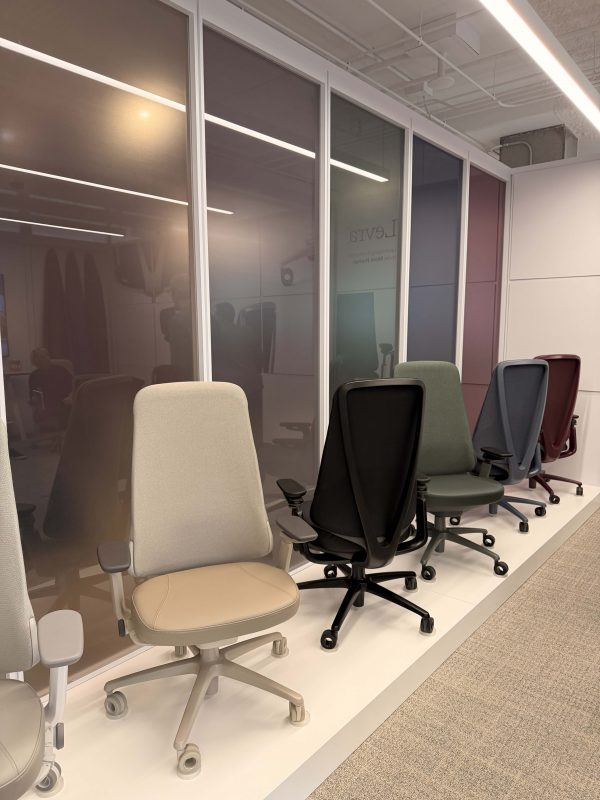
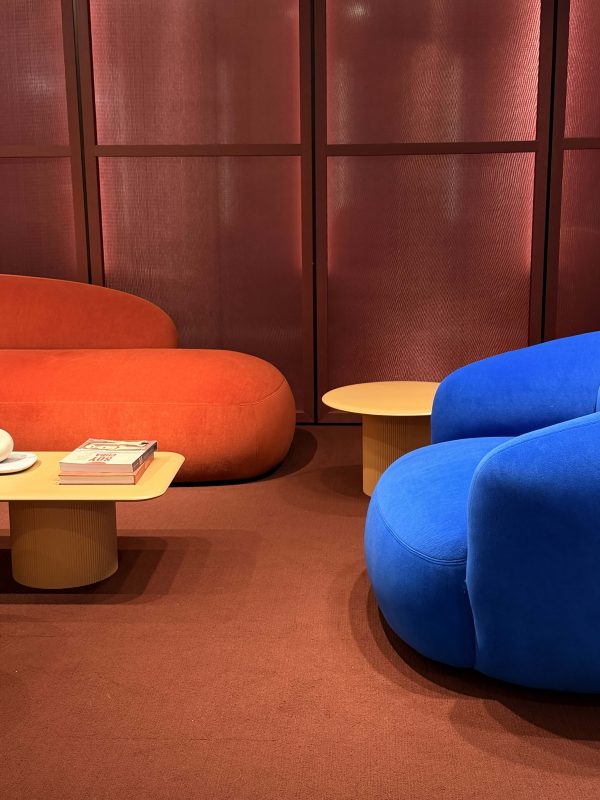
Color washing, a trend we’ve seen become increasingly prevalent in interiors, continues to have a strong presence in design. Enwork showcased the concept through training tables and workstations, while Allsteel carried it into task seating. Bringing this concept into office furniture with fresh colors is something I hadn’t seen done yet. It’s a subtle detail that creates a cohesive, monochromatic aesthetic, making each piece feel thoughtfully integrated into the overall design.
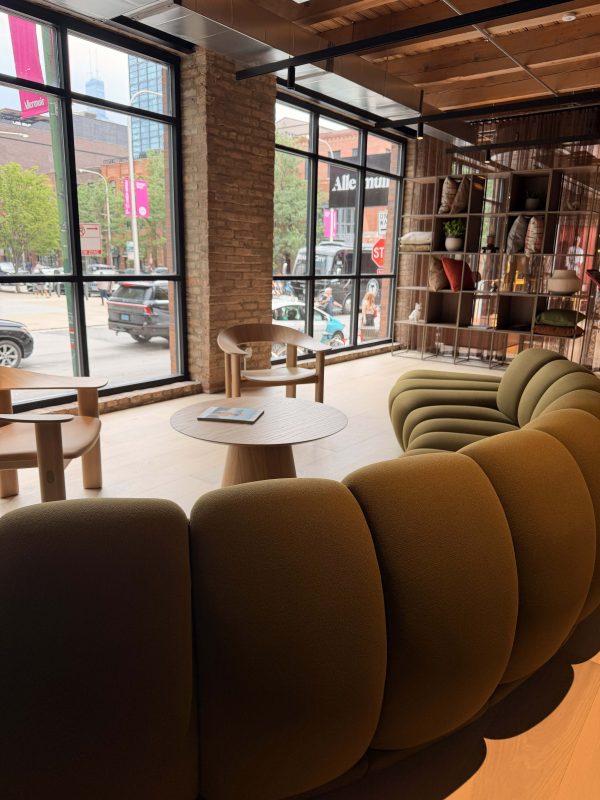
As a whole, showroom aesthetics varied significantly, yet many gravitated toward one of two distinct directions, heavily saturated, bold color palettes or muted, natural, Scandinavian-inspired tones. Each showroom felt highly curated with a unique identity and a clear design perspective.
The Continued Rise of 3D Printing
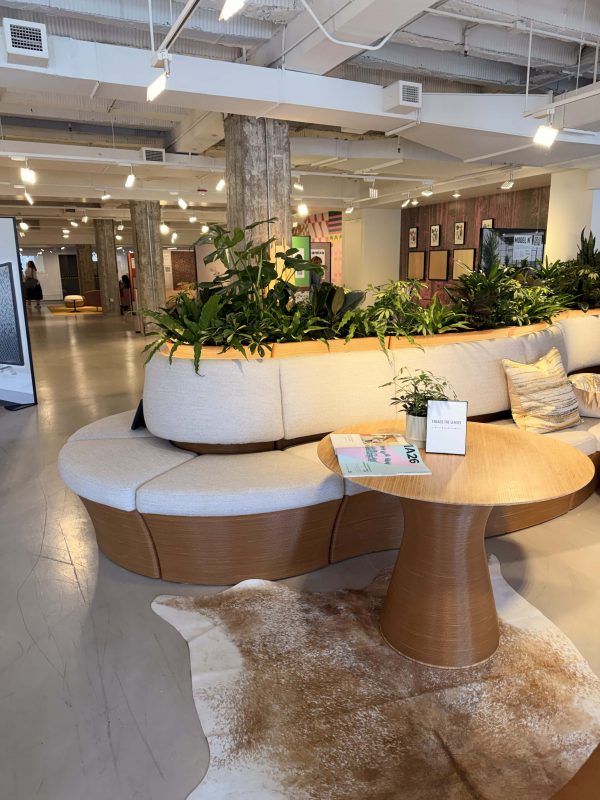
3D printing has been generating a lot of discussion in the design industry over the last few years, and it continued to be prevalent at the show this year, primarily in lighting fixtures and furniture. 3D printing offers a more sustainable alternative to traditional manufacturing methods, while also expanding the possibilities for customization and material efficiency.
Model No., a company that is now local to the Columbus area, showcased their products in the Metropolitan Sustainability Lab. They specialize in high-design custom sustainable solutions, as seen below.
Another product line that I was introduced to through the new Illuminate portion of the show, was Numia Design. They offer custom lighting fixtures, with endless shape options and colors. They demonstrated the live printing of a fixture at the show, highlighting just how seamless and efficient the manufacturing process is.
These new releases gave me the opportunity to learn more about how manufacturers are using these technologies. The process is truly pushing products beyond conventional forms and aesthetics. And as these technologies continue to be refined, designers will have even greater flexibility to create sustainable, highly customized, and one of a kind solutions.
Design Moving Forward, Beyond Trends
Every year, NeoCon introduces new products, colors, and materials. But what stays with me isn’t any single product or aesthetic. It’s the broader direction our industry is moving.
Design is continuing to be more human-centered. More immersive. More inclusive. More intentional.
These aren’t simply trends.They’re lasting shifts that are influencing commercial interiors of every kind.
At MA Design, attending NeoCon isn’t about bringing home the latest product catalog. It’s about bringing back ideas that help us ask better questions, challenge assumptions, and create spaces that support the people who use them every day. No matter the space we are designing, the goal remains the same – create spaces that people genuinely enjoy using and remember long after they leave.
Because ultimately, great design isn’t measured by what’s new. It’s measured by how people experience it.