The Careful Balance: Designing Public Buildings for Both Safety and Community
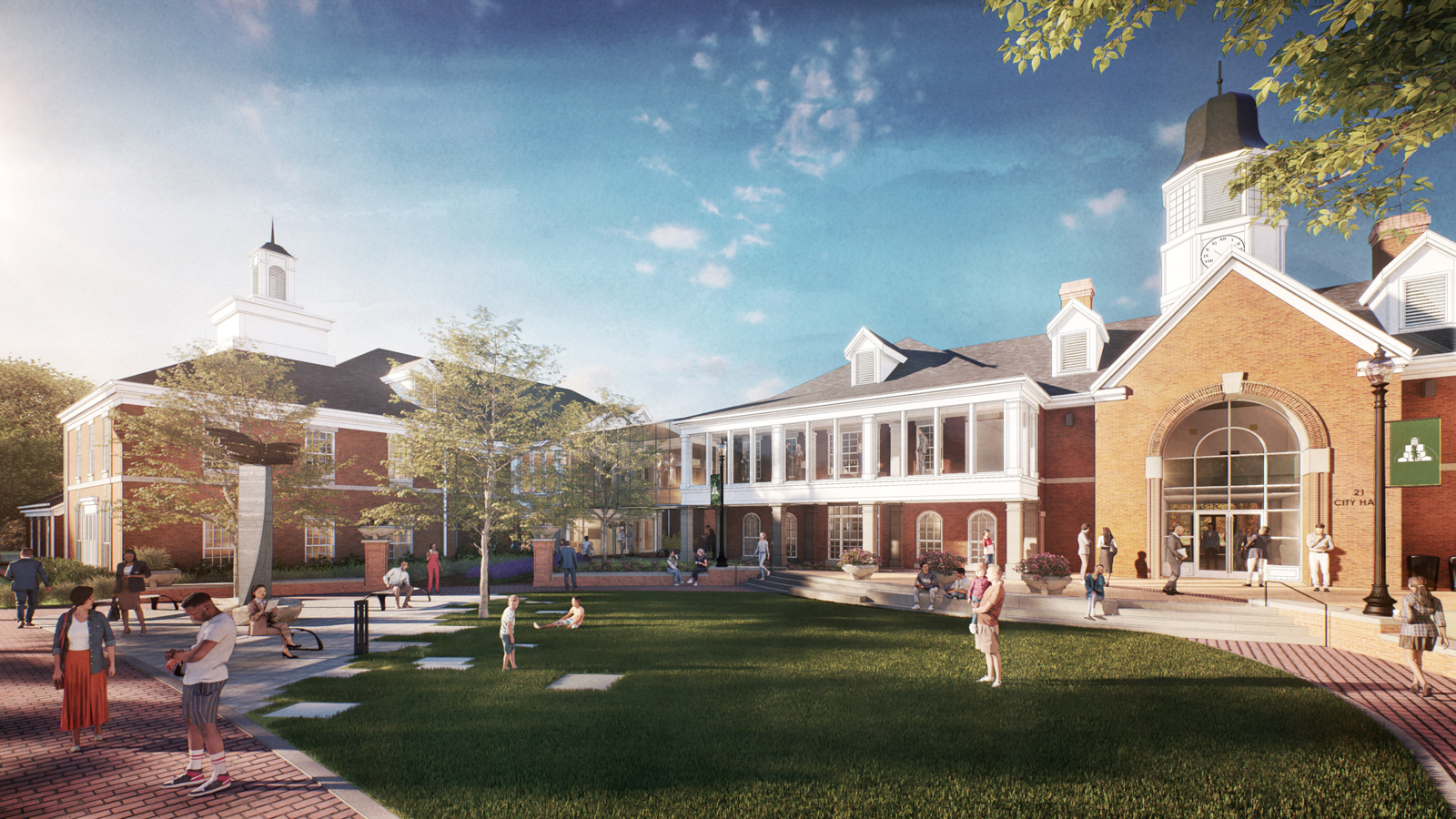
Designing municipal and government buildings today requires a subtle and crucial balance: protecting staff while creating spaces that feel open, accessible and welcoming to the public. Public buildings are unique because they must serve everyone, often during stressful or emotionally charged moments. Residents may arrive to pay bills, attend council meetings, vote, file reports, or seek assistance, all while staff members work behind the scenes handling sensitive information and essential public services.
The process doesn’t start with security equipment or materials, but with listening. Every city, county, and public entity has different operational needs, security concerns, and expectations for how their building should serve the public. Understanding those priorities early helps shape spaces that support both safety and community trust.
Security as an Integrated Design Strategy
One of the most effective strategies in public building design is Crime Prevention Through Environmental Design (CPTED), a planning strategy that uses the built environment itself to reduce opportunities for crime and improve safety. Rather than relying solely on barriers or overt security measures, CPTED uses visibility, spatial organization, and intuitive circulation to reduce risk before it escalates.
Simple planning decisions can make a major impact:
- Clear sightlines help staff naturally monitor public areas.
- Defined public and employee-only zones reduce confusion and unauthorized access.
- Intuitive circulation helps visitors understand where to go without frustration.
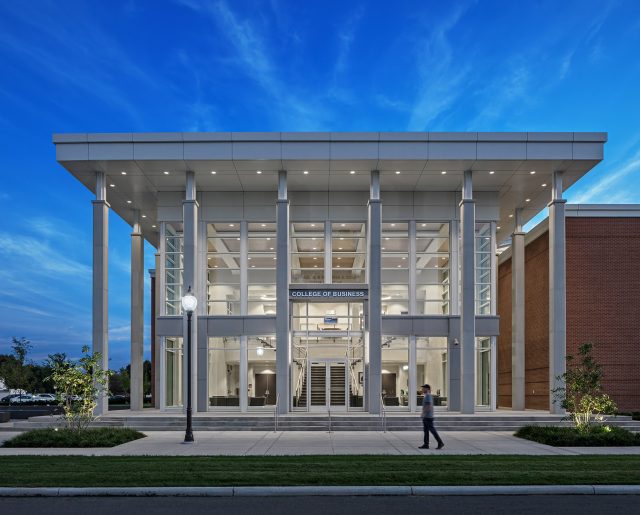
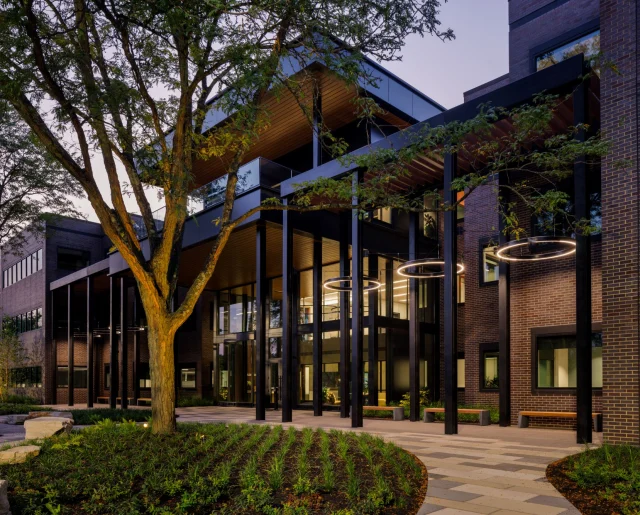
- Exterior lighting, landscaping, and site design improve visibility and comfort.
These ideas may seem subtle, but they create an environment where people feel more aware, supported, and secure.
Layered Security Without an Institutional Feel
Effective public building design incorporates security not as an afterthought, but as a series of integrated layers that address potential risks while maintaining a welcoming civic presence. The best solutions integrate protection into the architecture in ways that feel natural and unobtrusive.
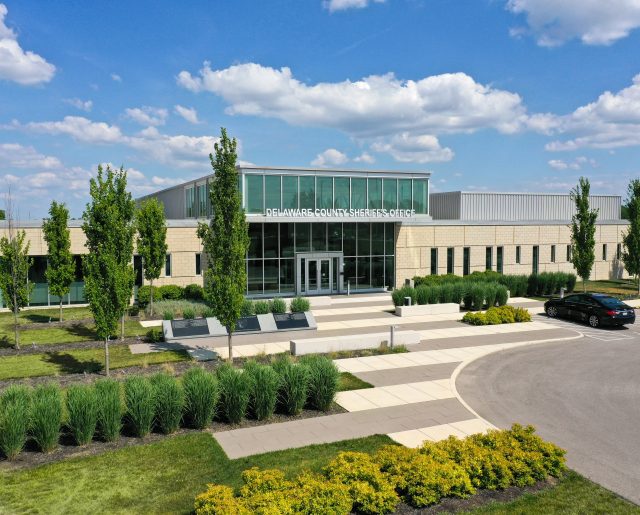
Security strategies vary depending on the building’s function and level of public interaction. A sheriff’s office, for example, typically requires higher levels of ballistic protection than a utility office or administrative building. Those decisions are influenced by factors such as how the public interacts with staff, employee training, operational needs, and the level of risk associated with the facility.
The challenge is balancing those protections with a welcoming civic presence.
Specialized materials such as ballistic glass, reinforced doors, or protective wall assemblies can often be integrated without making a space feel cold or institutional. Careful detailing, warm finishes, and thoughtful placement allow security features to blend into the overall design rather than dominate it.
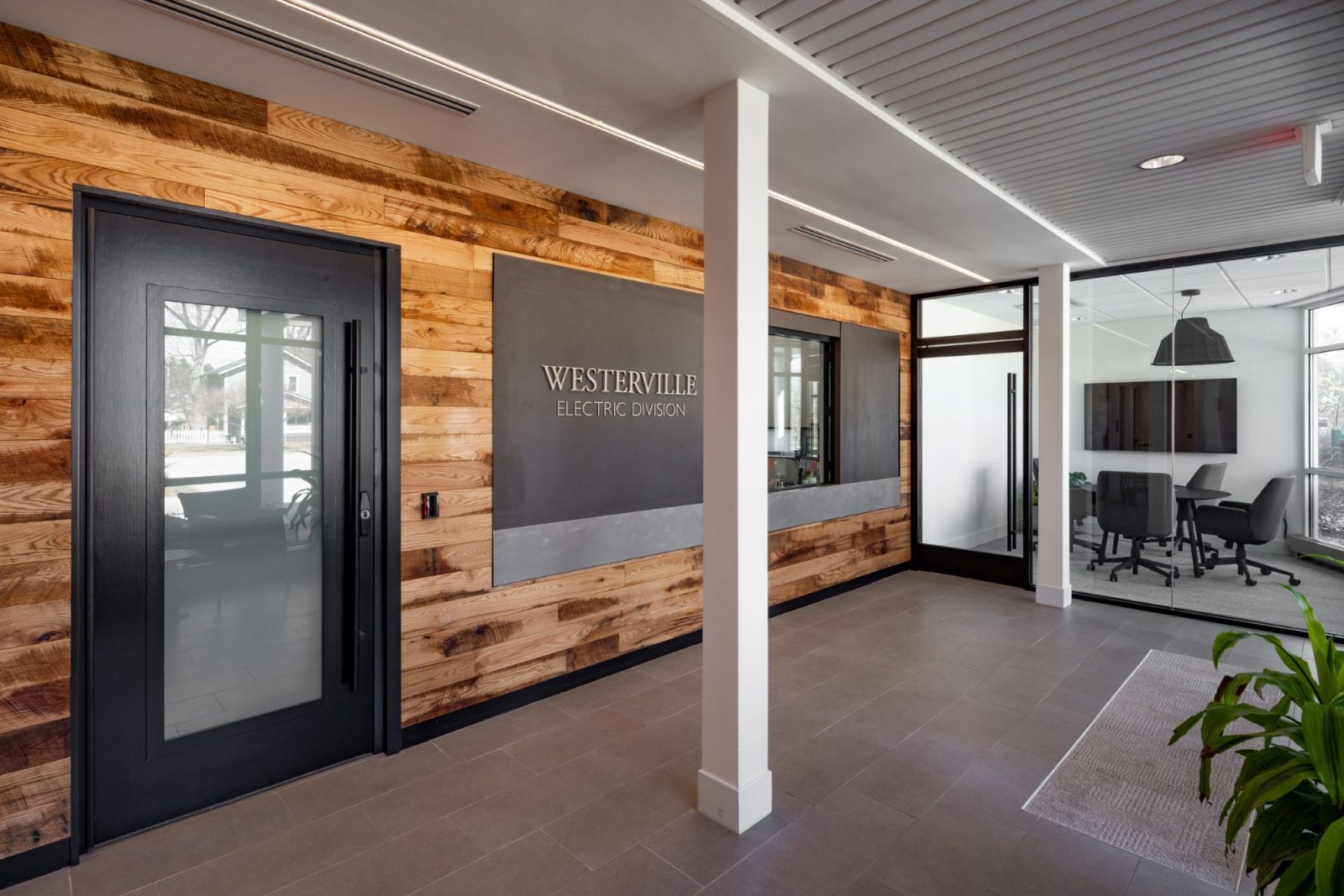
Implementing these defenses requires specific materials and thoughtful installation:
- Materials: Protection can come from ballistic steel (often heavy plates or doors), Kevlar (woven panels), or specialized fiberglass. However, the weight of some elements, such as 500-pound ballistic doors, necessitates special hinges and heavy-duty installation equipment, such as forklifts.
- Aesthetics: A key challenge is to integrate bulletproof materials without creating a “chunky” or overly institutional appearance. Thoughtful detailing, such as using nice wood finishes or wrapping the frame of ballistic glass, helps maintain a hospitable look.
- Weak Points: Security design must meticulously account for and minimize vulnerabilities. These vulnerabilities can be introduced by necessary utilities like electrical sockets and must be accounted for in the design.
- Communication and Transaction: At service points, secure communication methods are essential. This could involve amplified speaker systems or “speak holes” with protective glass inserts, with the final choice often dependent on staff preference for daily operations. For transactions, deal trays are used for the safe distribution of paper, with larger, less secure drop-off boxes available for bigger items.
Space Planning and Sightlines
The physical layout of a building is one of the most powerful tools for supporting both safety and operational efficiency.
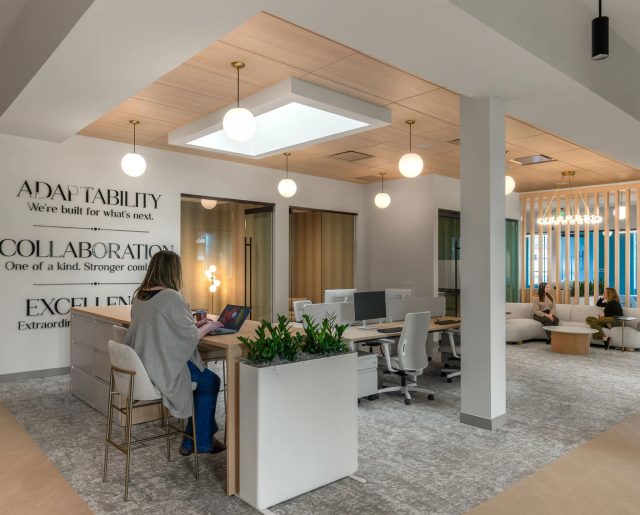
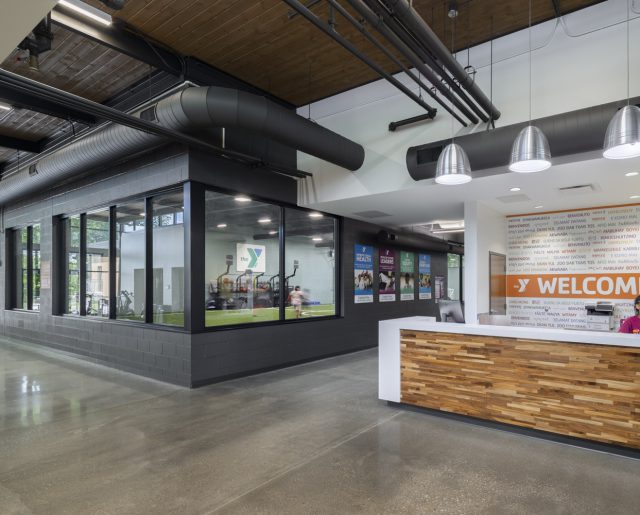
Public buildings often rely on layered zones that gradually transition from public to private space. Reception desks and service counters typically serve as the first point of interaction and are positioned to maximize visibility throughout public areas. From there, more secure employee workspaces are located deeper within the building.
Clear sightlines allow staff to naturally monitor entrances and public spaces while helping visitors intuitively understand where they should go. Defining boundaries between public and employee-only areas also reduces confusion and limits unauthorized access without relying on excessive barriers or signage.
Passive protective features can also be integrated into the design in subtle ways. Service counters, millwork, and wall assemblies may provide additional protection while still maintaining a warm and approachable appearance. Emergency communication systems and panic buttons can further support staff safety without impacting the visitor experience.
Planning for Emergencies and Safe Egress
Planning for a rapid, safe exit is paramount. In some cases, this may require additional exits beyond the minimum required by code, depending on the building type, occupancy, and security strategy.
Employees working near public-facing areas should have multiple clear exit routes and access to secure spaces if needed. In some facilities, designated safe rooms may provide temporary protection during active threats or other emergencies.
The goal is not to create fear-driven environments, but to help occupants feel prepared, supported, and capable of responding calmly during unexpected situations. When safety planning is integrated thoughtfully, it strengthens confidence rather than anxiety.
Supporting Accessibility and Public Confidence
Safety must not come at the expense of accessibility or the building’s role as a public gathering place. A well-designed public building serves and instills confidence in the entire community.
Proactive design must address the needs of people with different abilities during dangerous situations. The goal is to accommodate as many scenarios as possible, giving all members of the public confidence and autonomy within the protective design of the facility. The building should be designed to reduce public anxiety and confusion, making necessary interactions as efficient as possible.
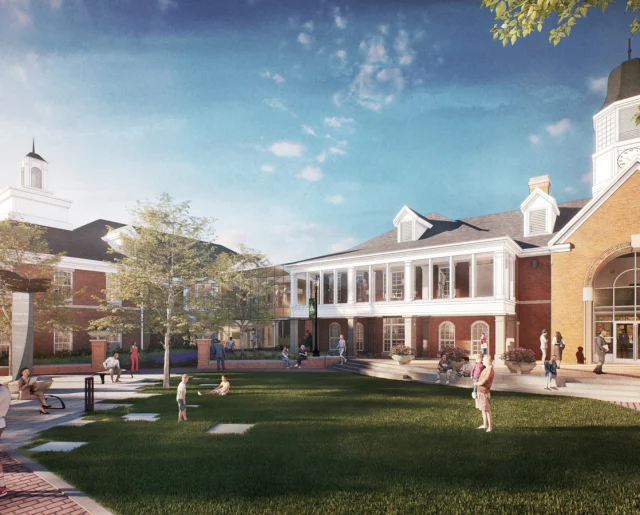
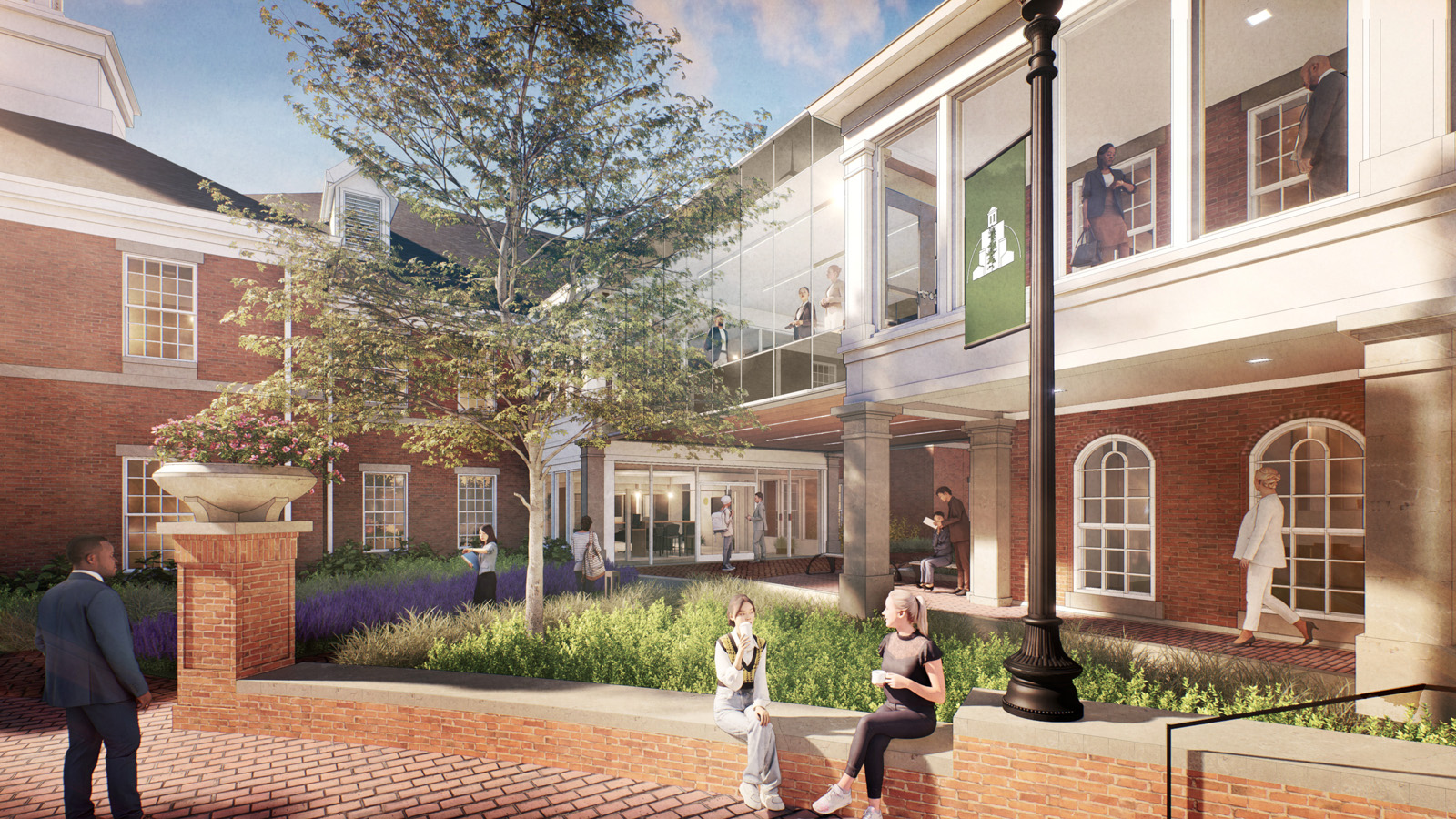
- One-Stop-Shop: Consolidating services into a single point of contact or “one-stop-shop” as we have designed at Delaware County’s Byxbe Campus and at the City of Westerville’s City Hall Complex minimizes unnecessary public movement within the building and reduces confusion over processes.
- Controlling Entry: The design should clearly mark only one main point of entry and exit. Any halls leading deeper into the building should be clearly designated as private to discourage public access to secure areas.
- Exterior Design: Security extends beyond the walls. Landscaping and physical barriers like bollards outside the building protect public spaces, such as areas where lines might form for voting or other services.
Technology and Collaboration
Technology is an important part of modern public building security, but it works best when integrated alongside architecture and operations.
Camera placement, access control systems, emergency communication tools, and monitoring systems should all support how the building actually functions day to day. Successful implementation often requires close collaboration between architects, municipal leaders, IT teams, facility managers, law enforcement, and security consultants.
That collaboration is essential because every public building operates differently. A city hall, sheriff’s office, utility department, or emergency operations center each requires a unique approach based on its staff, services, and public interactions.
The most successful projects are shaped through conversations about realistic scenarios, operational workflows, and long-term community goals.
Final Thoughts
Successful public building design balances safety, accessibility, and community connection through a thoughtful, layered approach. Rather than relying on overt security measures alone, the most effective solutions integrate protection into the architecture itself through strategic planning, clear sightlines, resilient systems, and carefully considered public interactions.
Every municipality, facility, and community has different operational needs and expectations. That is why collaboration between architects, municipal leaders, staff, and security professionals is essential from the earliest stages of planning.
When approached thoughtfully, public buildings can support both safety and openness, creating spaces that protect people while still fostering trust, transparency, and civic engagement.