Neurodiversity in Higher Education Design: Creating Campuses Where Every Student Can Thrive

As part of our Designing for Neurodiversity series, we’re exploring how thoughtful design can create environments that support a wider range of sensory, cognitive, and behavioral needs. In our first article, Designing for Neurodiversity: What It Means and Why It Matters, we discussed why neurodiversity deserves a place in the design conversation and how the built environment can influence comfort, focus, and well-being.
As someone who works on higher education projects, I’ve seen firsthand how seemingly small design decisions can have a meaningful impact on the student experience. Flexible seating. Better lighting. A place to step away and reset. These aren’t headline-grabbing design features, but they can make a significant difference in how students learn, engage, and feel supported throughout their day.
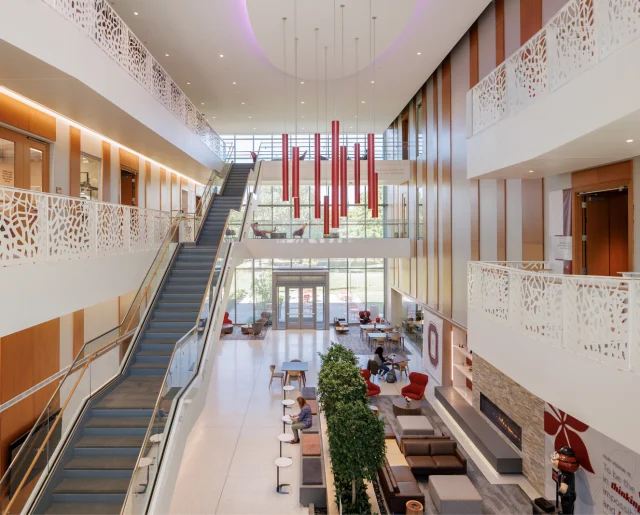
Colleges and universities are uniquely positioned to benefit from neurodiverse design. Students arrive on campus with different learning styles, sensory preferences, attention patterns, and life experiences. As institutions continue to focus on student success, retention, wellness, and belonging, the conversation around campus design is evolving beyond accessibility alone.
The question is no longer simply whether students can access a space. It’s whether that space helps them learn, focus, collaborate, recharge, and succeed.
Designing for Choice: One Environment, Multiple Ways to Learn
Central to neurodiverse design is the ability to provide choice in how spaces are experienced. For many years, classrooms were designed around a traditional model: rows of similar seats, one primary teaching wall, and limited opportunity for movement or variation. Today, colleges and universities are rethinking that approach.
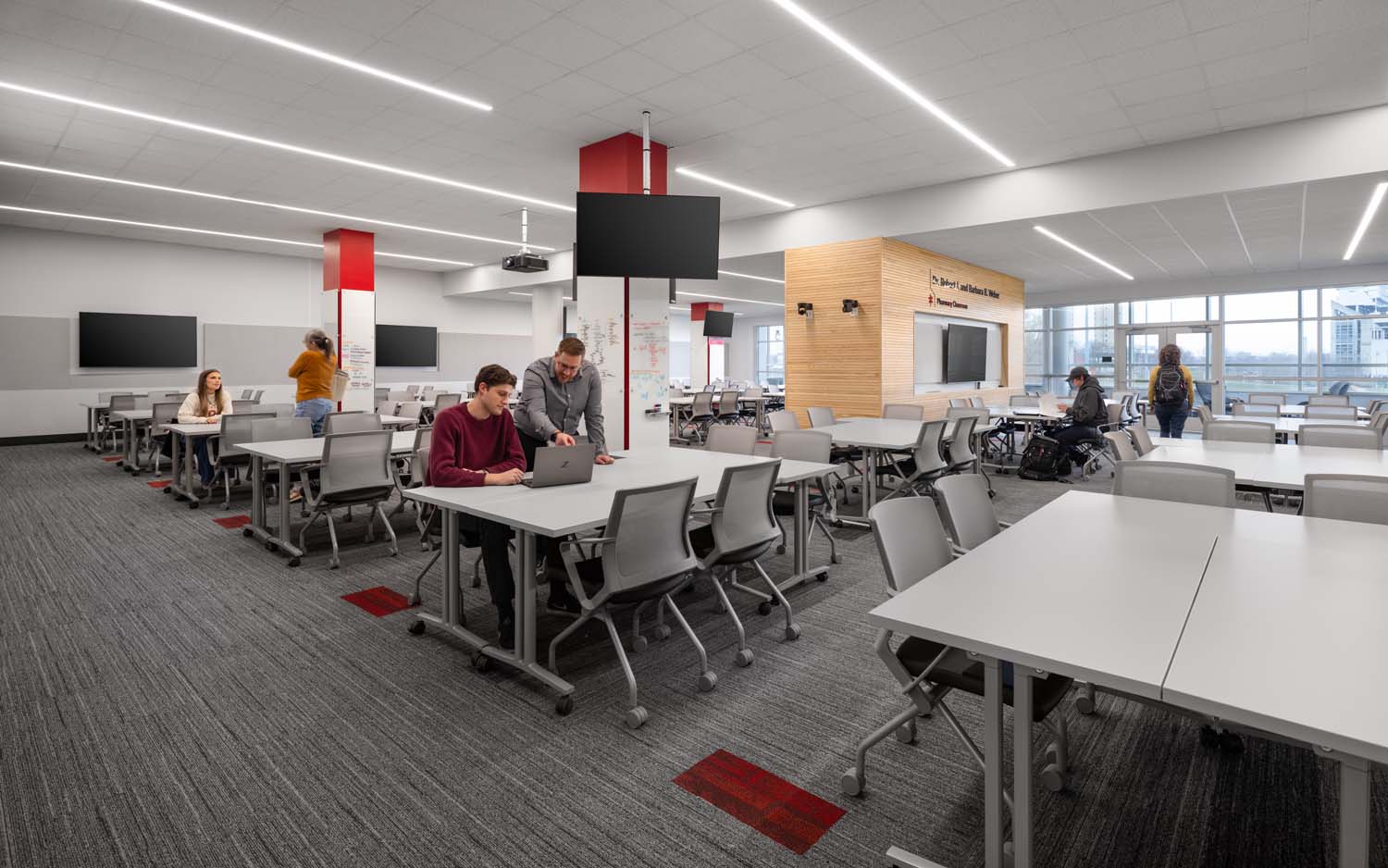
Flexible learning environments can support different learning styles by giving students options. Classrooms can be transformed to include a variety of seating types, seating heights, and work modes. Students may choose to sit low, sit high, stand, move, collaborate, or find a quieter place to focus. For students with ADHD, sensory processing differences, anxiety, or other neurodivergent traits, those choices can reduce stress and increase attention.
This aligns closely with the principles behind Universal Design for Learning, which encourages multiple ways for people to engage, learn, and demonstrate understanding. In the built environment, that can translate into spaces that are not overly prescriptive. Instead of asking every student to adapt to one classroom model, the room adapts to a wider range of students.
Choice can also be subtle. A student may want to sit near a window one day and away from visual distractions the next. Another may benefit from a chair that allows movement or flexing while still supporting engagement. Movable furniture can support group work and discussion, while varied seating heights can provide different sightlines and levels of enclosure.
When designed well, flexibility benefits everyone. It supports neurodivergent learners, but it also creates more dynamic, comfortable, and student-centered learning environments for the entire campus community.
Balancing Stimulation Through Acoustics, Lighting, and Coordination
Neurodiverse design often comes down to sensory balance. A space should provide enough stimulation to feel engaging, but not so much that it becomes overwhelming. That balance requires close coordination between architecture, interiors, HVAC, electrical, lighting, and acoustic consultants.
Sound is one of the most important considerations. In higher education environments, students need to hear faculty, classmates, and virtual participants clearly. At the same time, excessive background noise, echoes, or mechanical sounds can make it difficult to focus. For some students, especially those with autism or sensory processing differences, those sounds may feel amplified.
At a recent renovation project in Riffe Hall at the Ohio State University, acoustic strategies help create calmer and more effective learning environments. High Noise Reduction Coefficient, or NRC, ceiling systems and wall panels help absorb sound and reduce echo. In Riffe Hall, the acoustic wall panels are integrated into the design so they support the function of the room without feeling like an obvious accommodation.
Mechanical coordination matters, too. HVAC systems must be placed thoughtfully to support thermal comfort without adding distracting noise near study zones, classrooms, or areas where students are expected to focus. This kind of behind-the-scenes coordination is a key part of creating cohesive, sensory-conscious design.
Lighting plays an equally important role. Proper lighting supports focus, comfort, and communication. In classrooms, students need to see faculty members clearly, including facial expressions and visual cues. This is especially important for students who rely on facial expression, lip reading, or other nonverbal communication to support comprehension. It also strengthens hybrid and virtual learning by improving visibility on camera.
Color temperature matters as well. Lighting that is too cool can feel harsh, while lighting that is too warm can reduce clarity and create visual strain. In some environments, circadian lighting can help mimic the natural progression of daylight, supporting a stronger connection to nature even in spaces with limited access to windows.
These strategies also connect to broader wellness frameworks like the WELL Building Standard, which recognizes the role of light, sound, comfort, and mind in supporting human health and well-being.
Respite and Wellness: Creating Space to Reset
Beyond the classroom, respite rooms and wellness rooms are becoming an important part of inclusive campus design. Higher education can be demanding. Students move between lectures, labs, group projects, social settings, work obligations, and personal responsibilities. For neurodivergent students, that constant transition can lead to sensory overload or cognitive fatigue.
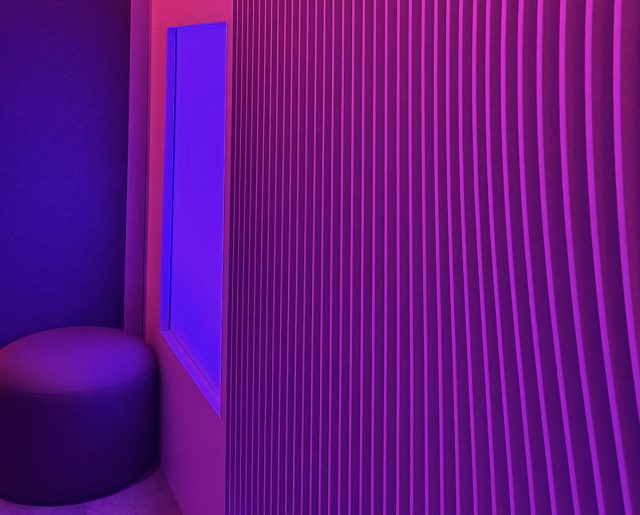
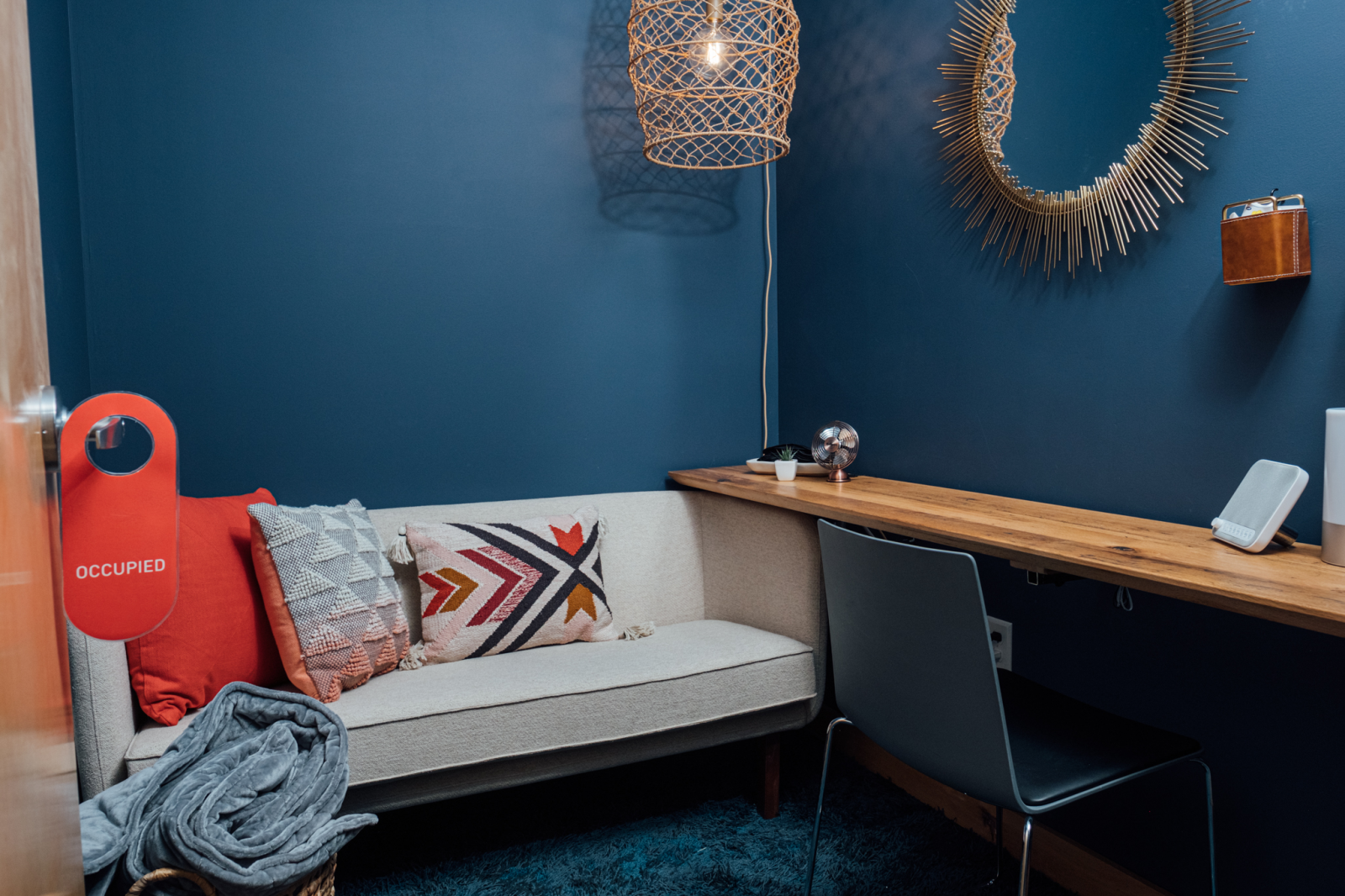
A respite room provides a place to pause, decompress, and reset. At The Ohio State University’s Heminger Hall, the wellness room has become such a valued resource that it is almost always occupied. Seeing the value these spaces provide, MA Design has continued incorporating wellness rooms into higher education projects, helping create campuses that better support students both inside and outside the classroom.
The most successful respite rooms are intentionally simple. They are not overdesigned or overstimulating. Instead, they give students a quiet framework they can adapt to their own needs. Features may include dimmable lighting, enhanced acoustic separation, soft flooring, sound-absorbing materials, comfortable cleanable furniture, tables for laptops or devices, outlets for charging, and places to hang a bag or coat.
Privacy is also essential. Different wall ratings, lockable doors, and a sense of enclosure can help students feel secure in contrast to the exposure of a large classroom or busy corridor. These spaces are not about removing students from campus life. They are about giving students the support they need to return to it.
Inclusive Design Beyond the Classroom
Designing for neurodiversity does not stop at learning environments. Students experience campus as a sequence of spaces: classrooms, corridors, restrooms, study areas, labs, lounges, wellness spaces, dining areas, and outdoor connections. Each space can either add friction or support comfort and dignity.
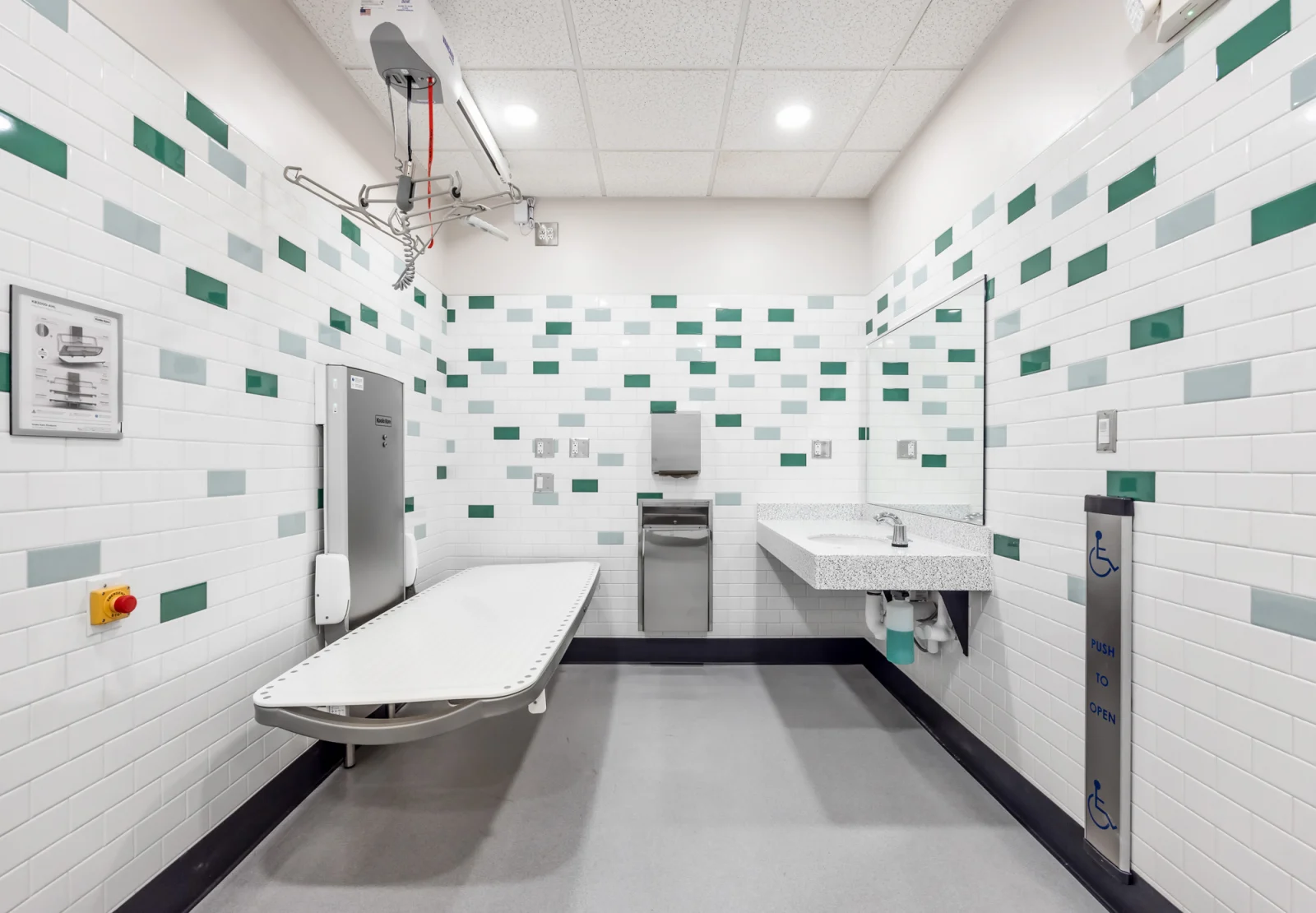
Private, accessible restrooms are one example. MA Design has incorporated these types of spaces across higher education and civic projects. These rooms may support students who need personal care assistance, a quiet restroom experience, or a private space to change. In some cases, adult changing tables further expand accessibility and dignity.
These decisions may not always be labeled as neurodiverse design, but they support the same goal: creating environments that work for more people in more situations.
Materials, Color, and Visual Focus
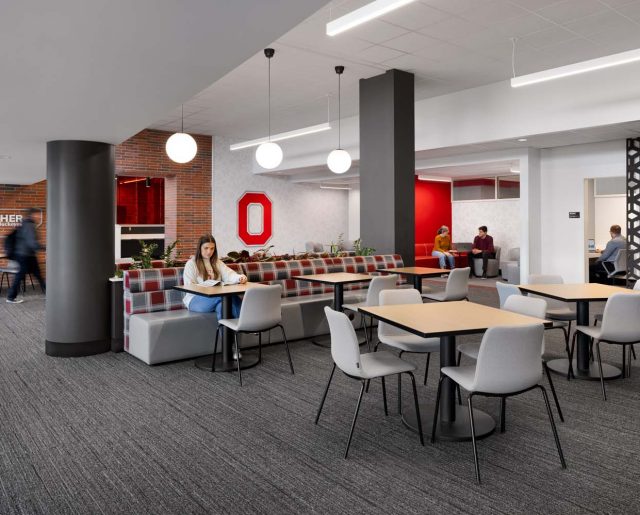
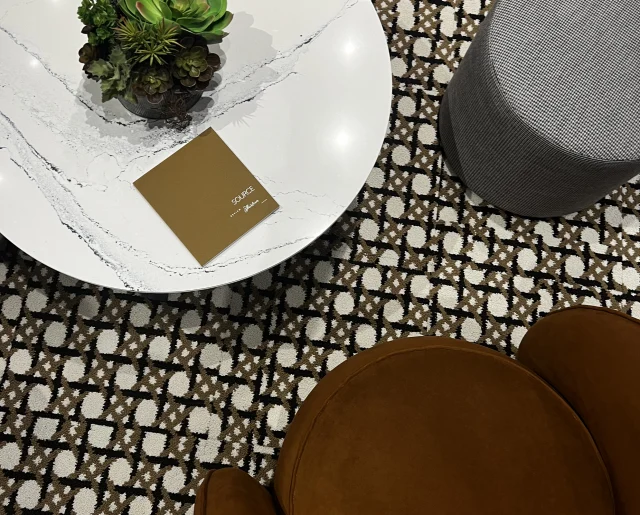
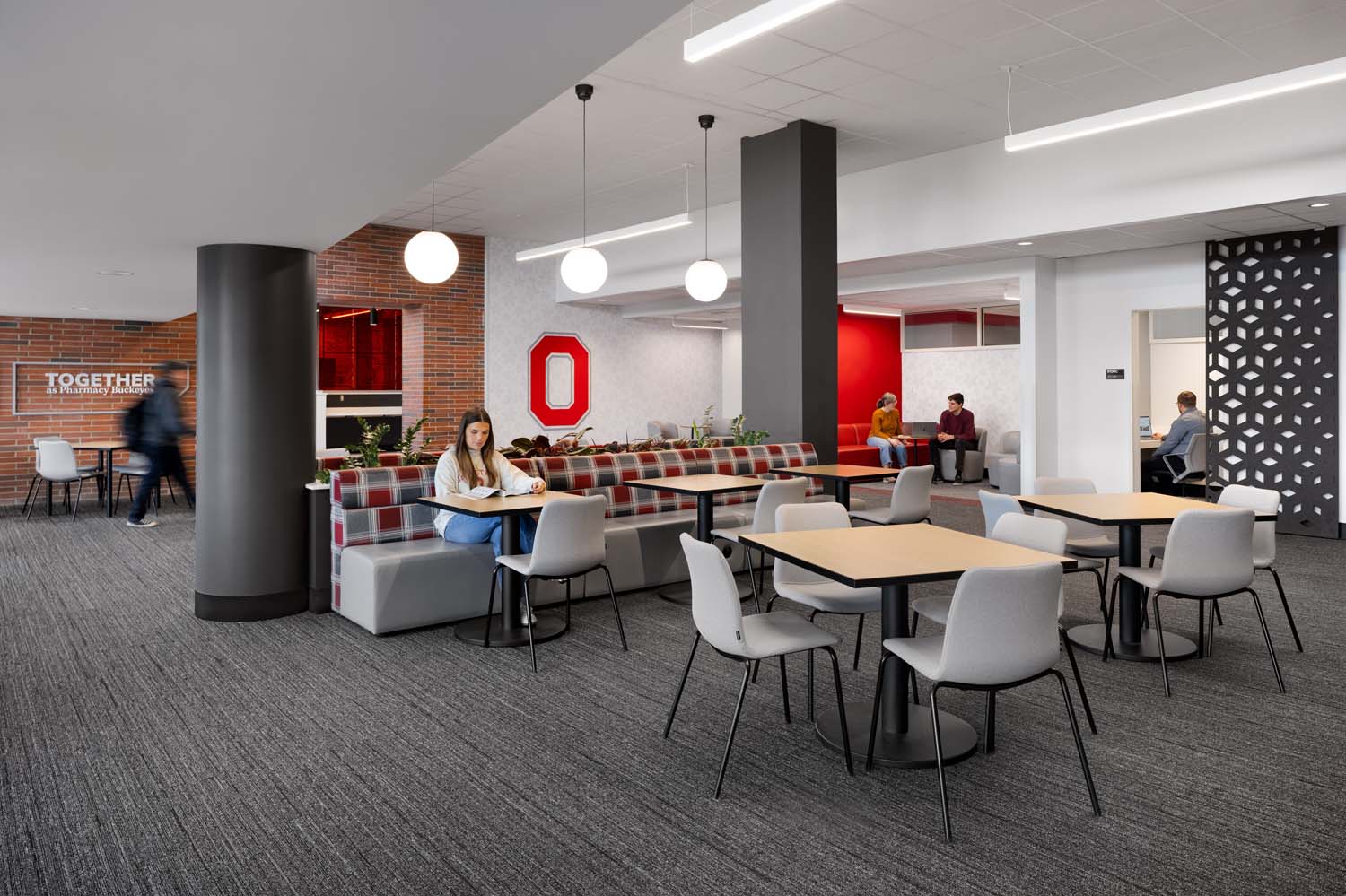
Color, texture, and material choices can have a major impact on how students experience a space. Campus environments often need to express school pride and brand identity, but bold colors, high contrast patterns, or busy teaching walls can become distracting when overused. A thoughtful approach balances institutional identity with cognitive comfort. Brand colors can be used strategically, while neutral backgrounds and natural materials help calm the overall environment. Teaching walls, screens, whiteboards, and displays should be organized so students know where to focus.
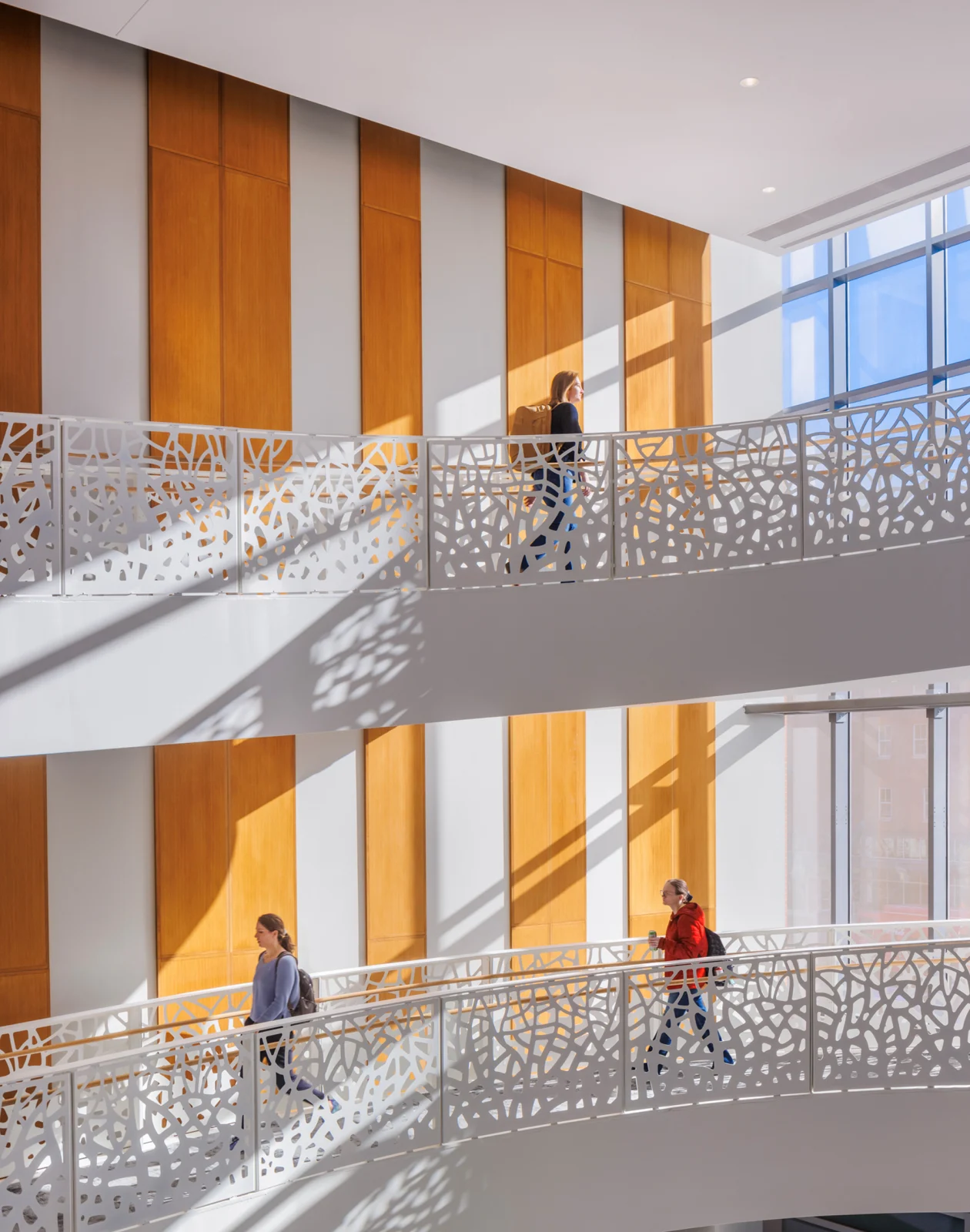
Biophilic design can also support comfort by bringing natural textures, wood tones, daylight, and nature-inspired materials into campus environments. Research around biophilic design continues to point to the value of connecting people with nature in the built environment, especially in settings where stress reduction and well-being are important.
Texture should be considered carefully. Materials should feel comfortable, functional, and durable without becoming overly tactile, sticky, rough, or distracting. In many cases, the best material choices are the ones users barely notice because they simply feel right.
The Invisible Success of Inclusive Design
One of the strongest signs of successful neurodiverse design is that most people may not notice it at all.
A classroom with flexible seating feels like a better classroom. A room with strong acoustic performance feels easier to use. A wellness room feels supportive. A private restroom feels dignified. A lighting strategy that reduces glare and improves visibility feels comfortable. These elements may be especially meaningful for neurodivergent students, but they improve the campus experience for everyone.
That is why neurodiverse design should not be treated as a specialized add-on. It should be part of the earliest conversations during visioning, planning, and project kick-off. When colleges and universities identify student success, wellness, inclusion, or belonging as project goals, design teams can help translate those priorities into tangible decisions.
At MA Design, our experience across higher education environments has shown that small choices can have a large impact. Seating variety, acoustic panels, dimmable lighting, neutral materials, privacy, flexible furniture, and respite spaces all contribute to a more supportive campus.
Designing higher education spaces for neurodiversity is ultimately about recognizing that students do not all learn, focus, or recharge in the same way. By creating environments with choice, balance, and dignity, colleges and universities can better support the full range of students they serve.
The result is not just a more inclusive building. It is a campus experience where more students have the opportunity to feel comfortable, connected, and ready to thrive.