AI, Accessibility and the Future of Design: Insights from AIA26
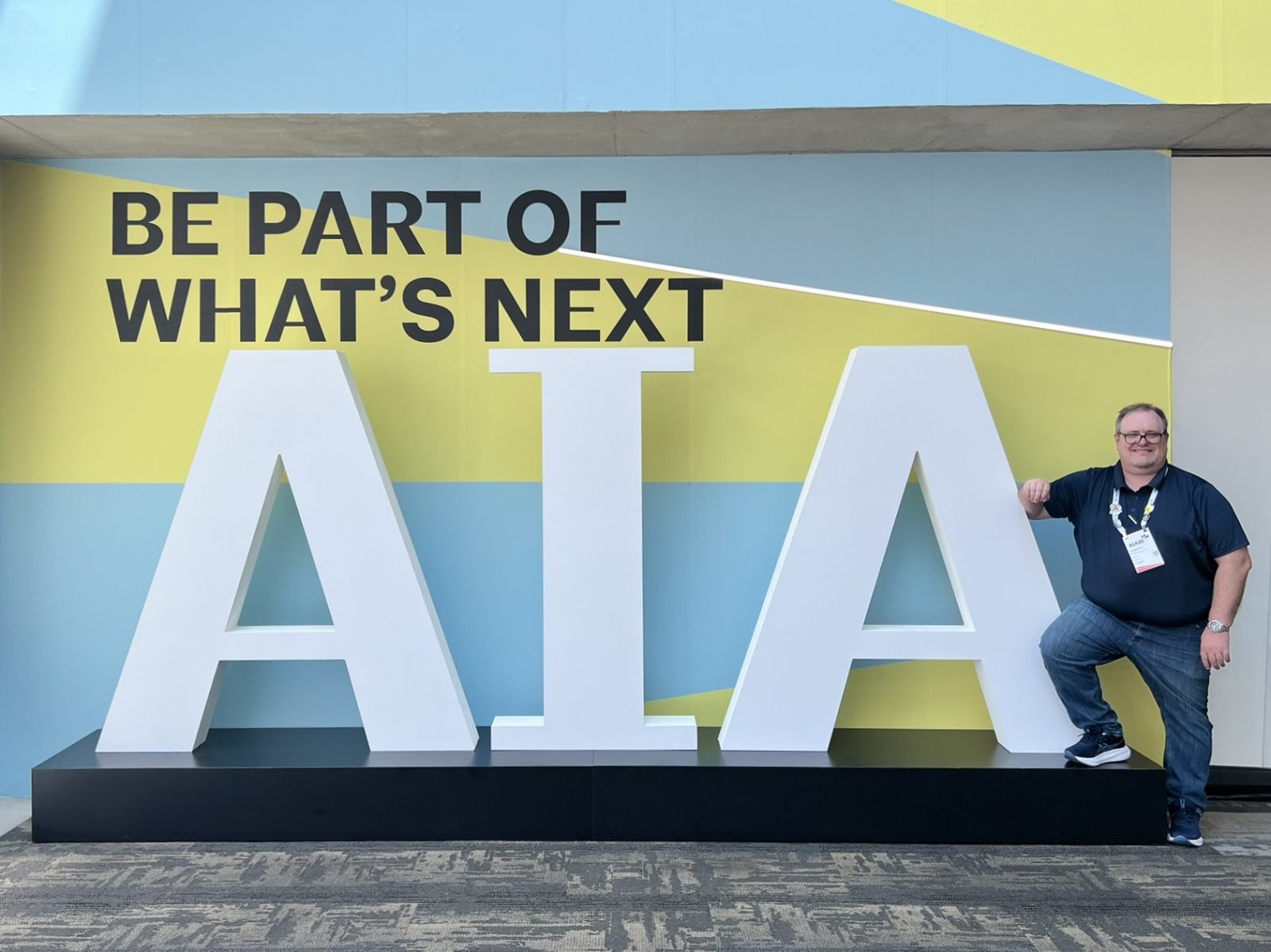
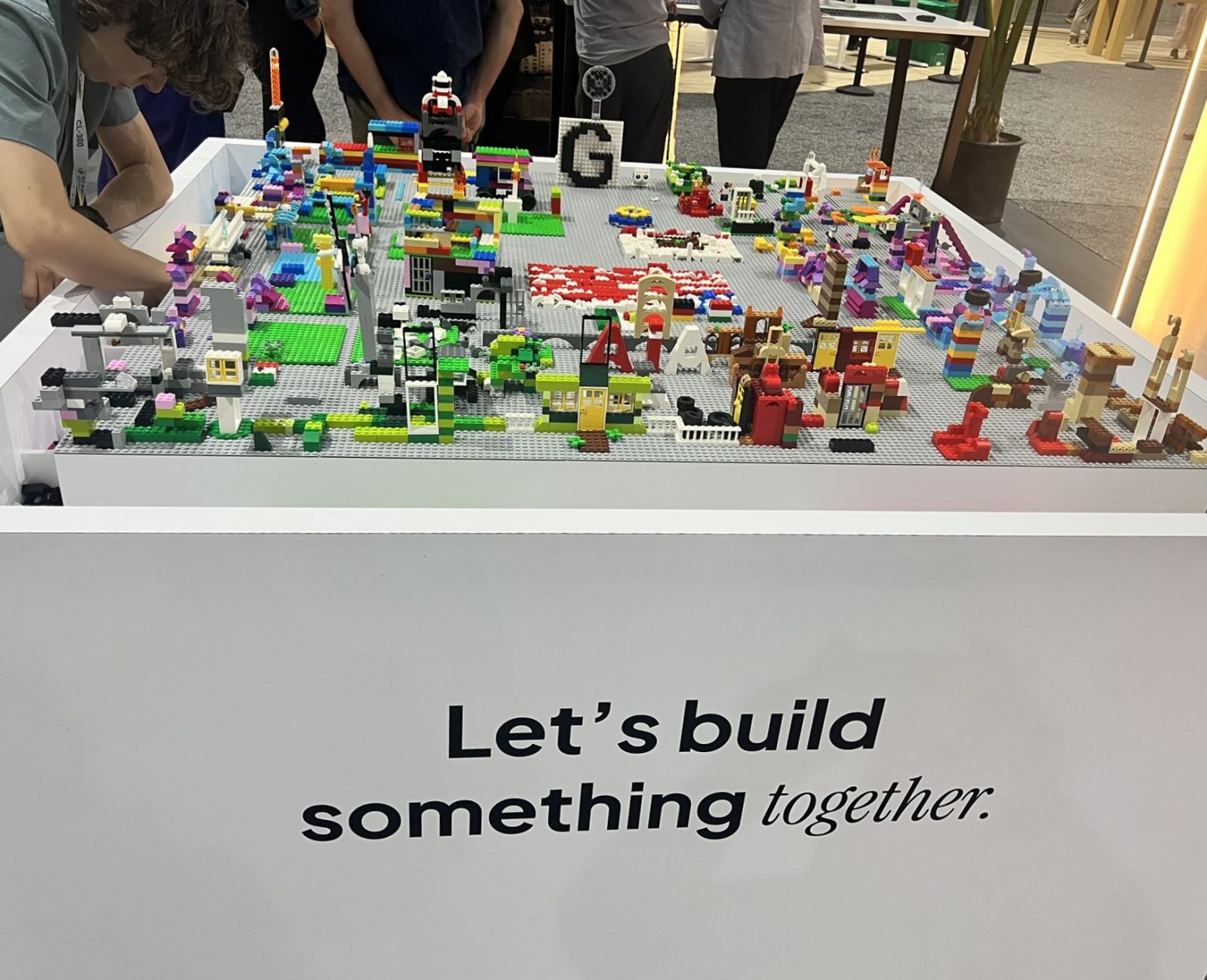
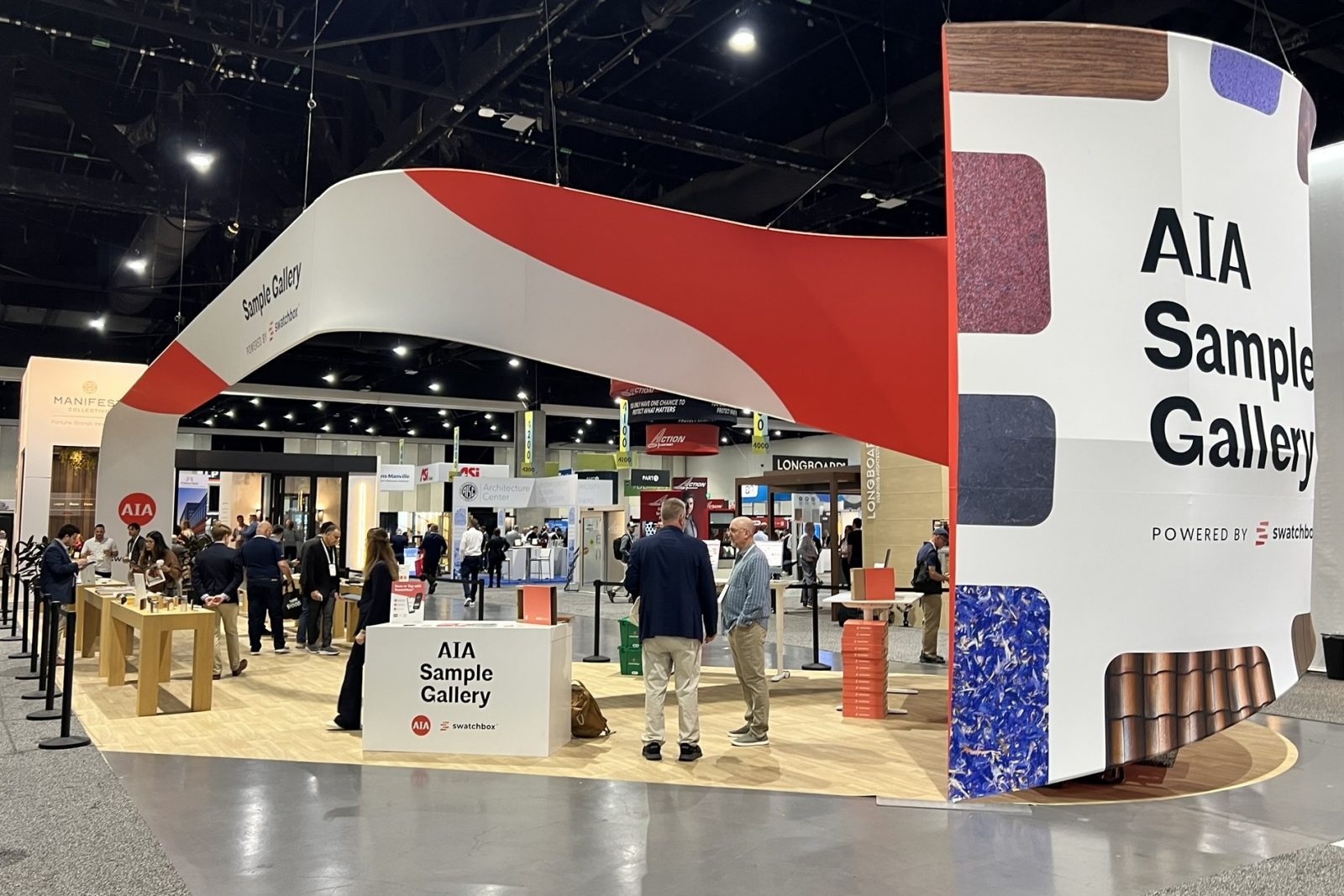
There is a specific kind of electricity in the air at the AIA Conference on Architecture & Design. Walking through the San Diego Convention Center this past June, surrounded by over 5,000 architecture and design professionals, I couldn’t help but be struck by a familiar feeling. It has been years since I first attended this event back in 2017, but the sensation of walking through those doors was identical: a jolt of pure inspiration.
Every year, the AIA Conference offers a glimpse into where the profession is heading. While new products and technologies always generate excitement, the conversations that stood out most at AIA26 weren’t about the next trend—they were about how architects can better serve clients in a rapidly changing world.
From the growing role of artificial intelligence to a deeper understanding of neuro-inclusive design, this year’s conference reinforced an important idea: technology is changing how we design, but people remain at the center of every decision.
Here are the biggest ideas I brought home from AIA26 and why they matter for owners, developers, healthcare systems, educational institutions, and communities planning their next projects.
AI Isn’t Replacing Architects, It’s Expanding What We Can Do
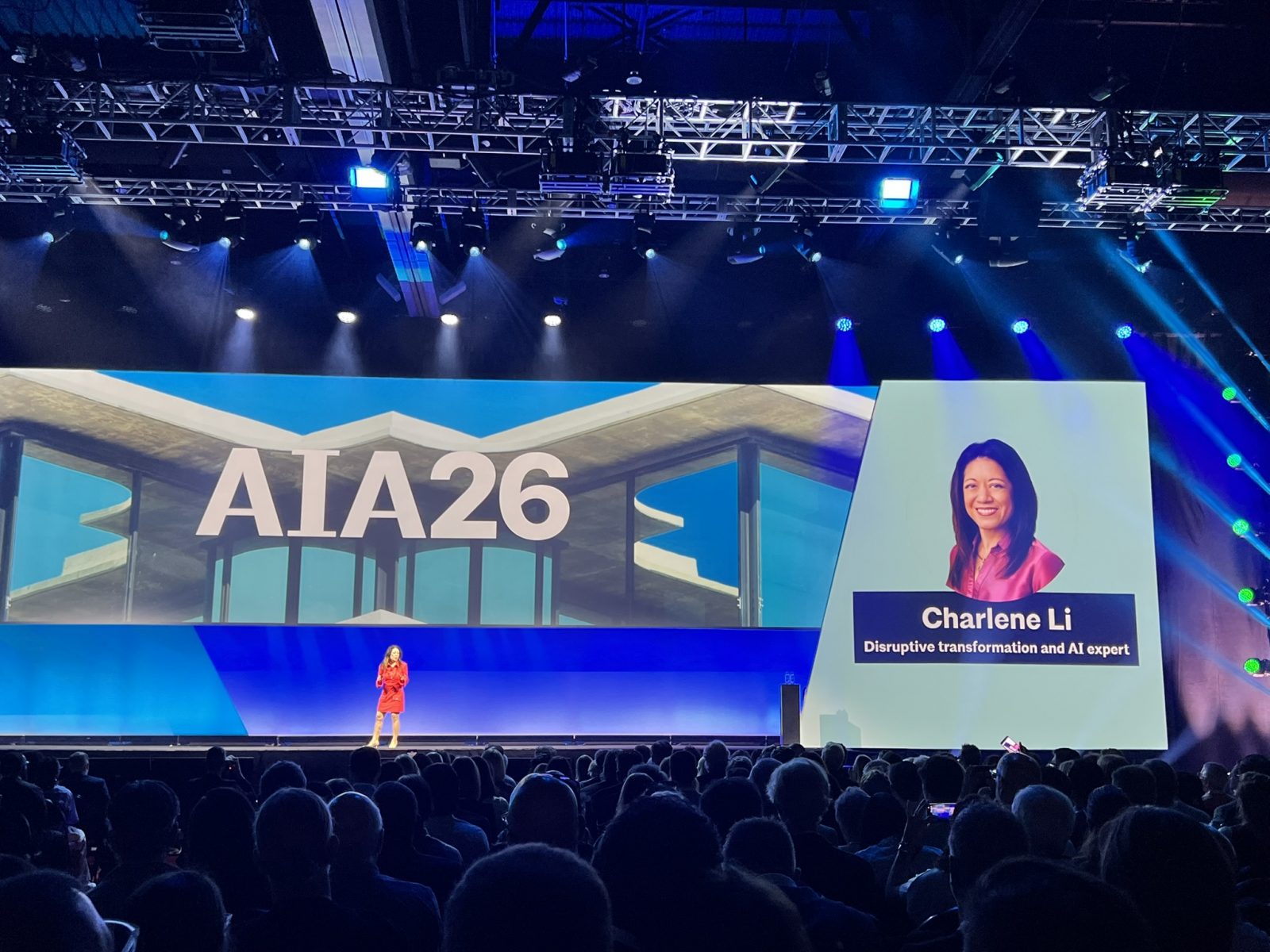
Artificial intelligence dominated conversations throughout AIA26, but perhaps not in the way many people expected.
For the past few years, AI has often been discussed through the lens of uncertainty. Can it replace architects? Will it automate design? What happens to creativity?
The consensus throughout the conference was refreshingly different.
AI isn’t replacing architects because architecture has never been about simply producing drawings. Our role is to understand people, balance competing priorities, navigate regulations, advocate for our clients, and translate complex challenges into places that improve how people live, work, learn, and heal. Those responsibilities require judgment, empathy, and experience—qualities that technology simply cannot replicate.
Instead, AI is becoming another design tool.
Just as BIM transformed documentation and visualization over the past two decades, AI is beginning to transform how architects gather information, evaluate options, and communicate ideas. Used thoughtfully, it doesn’t diminish creativity, it creates more space for it.
For clients, this shift means design teams can spend less time on repetitive administrative tasks and more time collaborating, solving problems, and redefining the aspects of a project that creates lasting value.
The Rise of Targeted AI
We’ve hit a point where the industry is getting comfortable with basic, browser-level AI, like the kind of tools that act as global search engines, such as ChatGPT or Gemini. However, the trend for 2026 and 2027 is moving toward stylized, sophisticated, smaller, and targeted-use AI.
The limitations of models like ChatGPT for our specific needs became a major talking point. Because those broad models draw from the chaotic, uncurated sprawl of the open internet, they are prone to “hallucinations.” This means that the AI engine you’re using may give you confident, wrong answers that are difficult to edit once generated from a prompt.
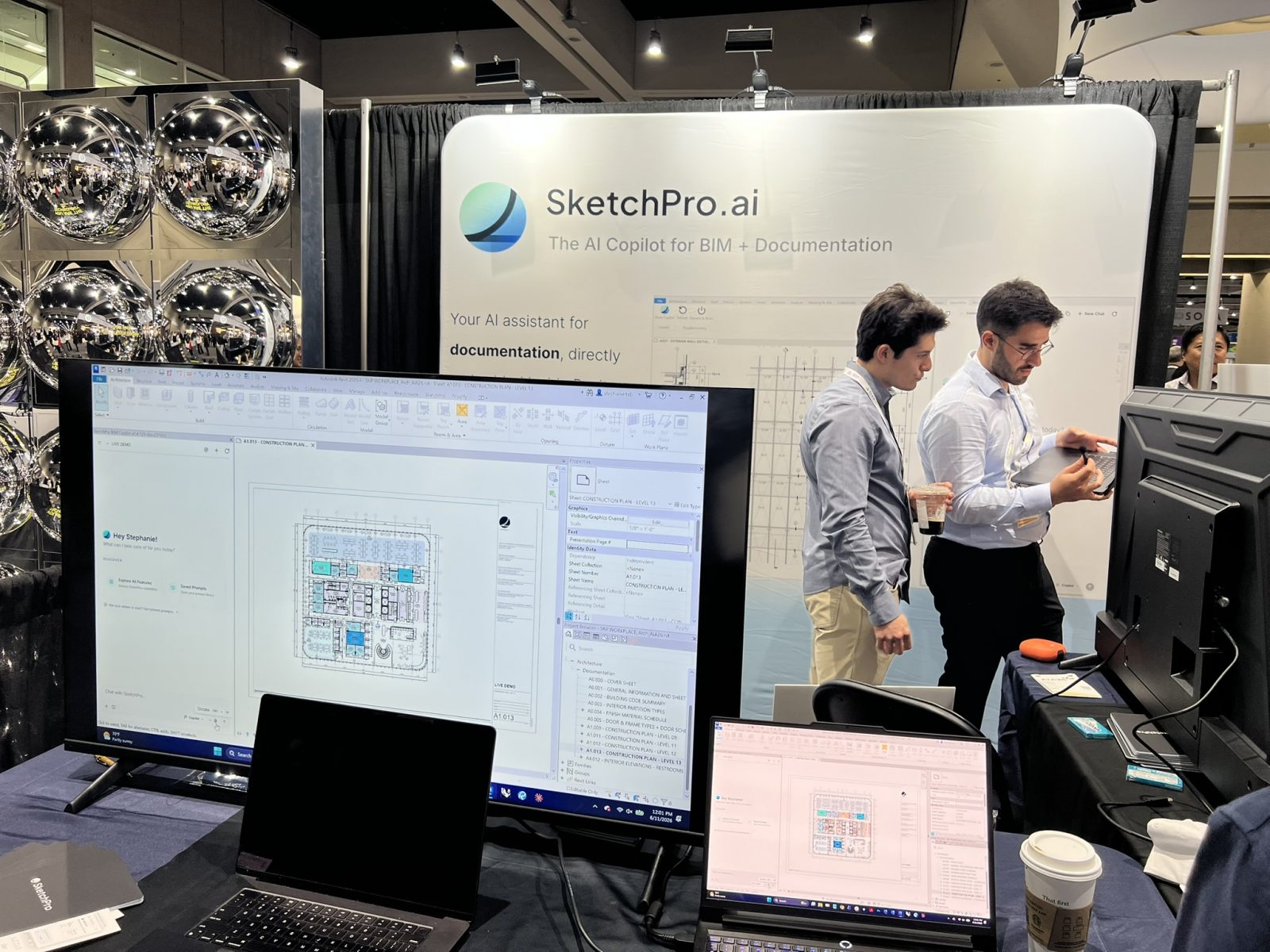
The future is in dedicated, curated AI tools. These aren’t trying to be “everything to everyone,” but rather are designed for specific architectural tasks, like submittal reviews or code compliance checking. Due to the fact that these engines draw from a restricted, high-quality database rather than the entire internet, they are significantly more accurate. This shift toward targeted AI is the evolution architects and designers need. It allows us to keep the agency in our hands while leveraging the speed of the digital model.
As specialized AI continues to mature, project teams will be able to review information more efficiently, identify potential conflicts earlier, improve documentation quality, and reduce avoidable errors throughout design and construction.
How AI Actually Shifts Our Workflow
The integration of these targeted tools is changing our daily practice in tangible ways. It’s not about letting the computer “do the design”; it’s about offloading the parts of the job that keep us from the design.
Tasks such as reviewing extensive building code requirements, comparing design options, organizing project information, evaluating contract language, and processing large amounts of data consume significant time during every project. AI is becoming increasingly effective at supporting these activities, allowing architects to focus more energy on design thinking, collaboration, and problem-solving.
That distinction is important.
The architect still evaluates the information, weighs competing priorities, and makes the final decisions. AI simply helps us move through the process more efficiently.
Better Visualization Leads to Better Decisions
Perhaps the most exciting application of AI discussed at the conference is its ability to improve our communication with clients. In the past, communicating a design vision relied heavily on our ability to verbally describe a space or produce labor-intensive, time-consuming renderings.
Now, AI allows us to quickly generate visual representations that help clients who struggle with spatial visualization. This isn’t about replacing the drawing process; it’s about creating a better communication tool. It allows us to spend less time on the production of materials and more time actually discussing the intent of the design with the client. It provides a visual bridge that helps them make decisions with confidence. We are finding a better understanding for both architects and clients during design discussions because we can iterate and demonstrate concepts in ways a client can understand. The conversation shifts away from interpreting drawings and toward discussing experiences.
Whether designing a senior living community, a healthcare renovation, a municipal facility, or a mixed-use development, better communication leads to better decisions. When owners clearly understand a design before construction begins, projects move forward with greater confidence, stronger alignment, and fewer surprises.
Neuro-inclusive Design as Empowerment
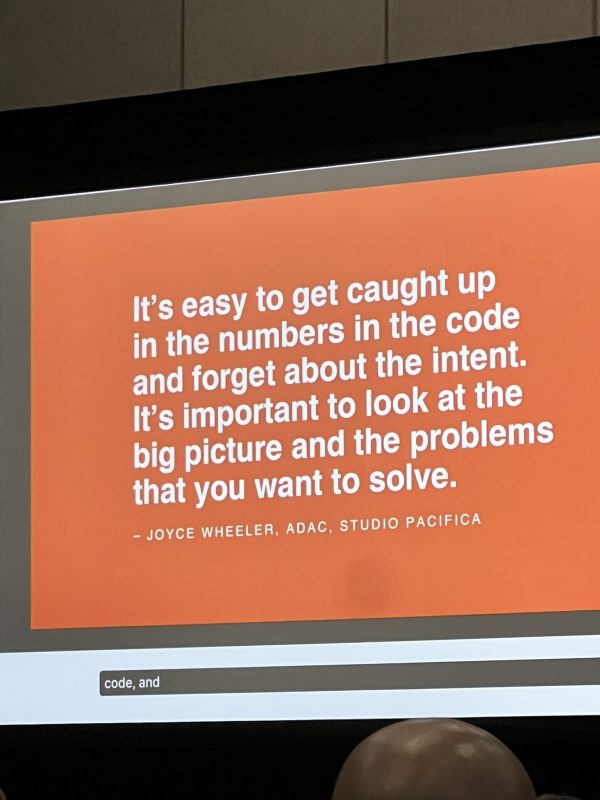
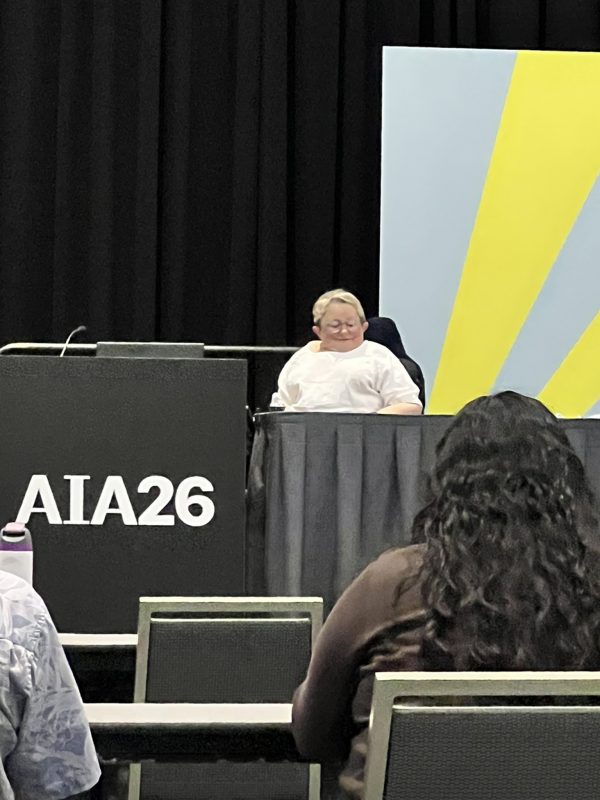
If AI was the “how” of the conference, inclusive design was the “why.” My favorite session, by far, was Accessibility as an Act of Empowerment, led by Karen Braitmayer. It pushed us to look far beyond ADA compliance, which too often can be just a checkbox.
This is where the conversation takes a turn toward the human condition. We spent significant time discussing Neuro-inclusive Design—a topic that is finally gaining the architectural attention it deserves. With 1 in 31 children being diagnosed on the autism spectrum (a number rising annually), our traditional approach to design is failing a significant portion of the population.
We learned about the P.I.C.O. framework (Population, Intervention, Comparison, Outcome) to better address sensory needs. True neuro-inclusivity isn’t just about color palettes or specific lighting; it’s about sensory zoning. It’s about creating environments that offer:
- Predictability and Sequence: Making it easier for a neuro-diverse brain to predict outcomes within a space, reducing the anxiety of the unknown.
- Choice and Agency: Providing different seating types and locations—like a quiet alcove near the activity rather than a fully isolated “sensory room”—so that users can opt-in or out of engagement based on their current sensory needs.
- Legibility: Creating a clear mental map of the space so that transitions are seamless and not jarring.
The fascinating link here is between our AI tools and this design philosophy. We can use AI to model and test these accessibility scenarios, iterate through diverse user-experience paths, and ensure that our buildings work for everyone. We should work towards inclusive design that is proactive and advocates for the user, rather than just being reactive to building codes. After AIA26, I feel that this is the defining challenge of our generation of architects.
Owners across every market are increasingly focused on creating environments that support wellness, belonging, and user experience. Designing beyond minimum accessibility requirements creates buildings that serve broader populations while often improving the experience for everyone.
The Architect’s Enduring Role
Returning from San Diego, I found myself not just inspired, but focused. The AIA26 experience reminded me that while the technology we use will continue to evolve at a breakneck pace, the heart of our profession remains unchanged. We are here to interpret the human condition and give it space.
Our digital models, our AI-assisted renderings, and our streamlined proposal tools are just that—tools. They are the scaffolding that supports the actual structure of our work. The danger isn’t that the AI will replace the architect; the danger is that we might fail to use these tools effectively. We have an opportunity to push the boundaries of our design, to advocate for a more inclusive built environment, and to use the tools at our disposal to ensure that when we design, we are designing for every human being, not just the average user.
AI will continue to evolve. Building codes will continue to change. New materials and technologies will reshape our workflows. But the architect’s role remains remarkably consistent: listening carefully, solving complex problems, and creating places where people can thrive.
That’s ultimately what AIA26 reinforced for me. The future of architecture isn’t about choosing between people and technology. It’s about using technology to design even more thoughtfully for people.