Designing With, Not For: A Community-Centered Approach to Inclusive Housing
Architecture and planning are often described in terms of materials, space, and regulations. But at its heart, good design is about people—about understanding lived experience, responding to real needs, and creating environments that enable dignity, connection, and choice.
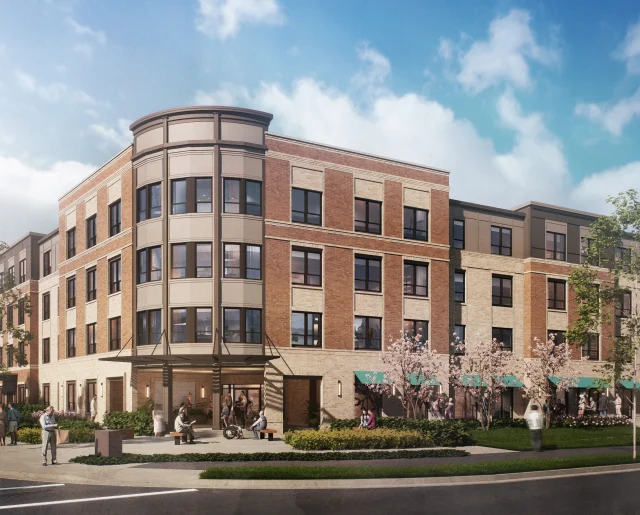
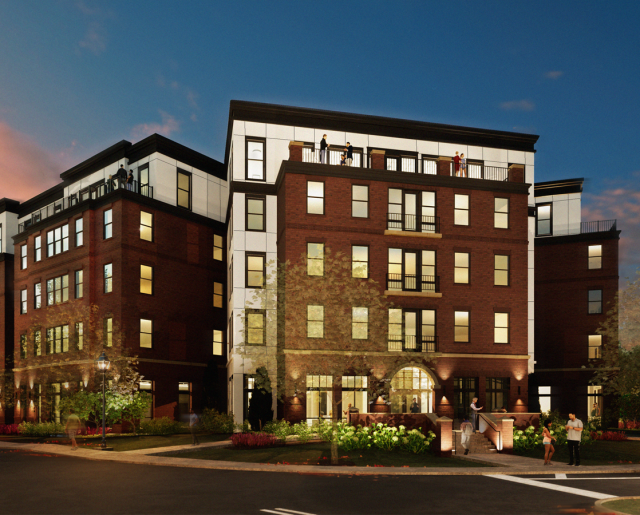
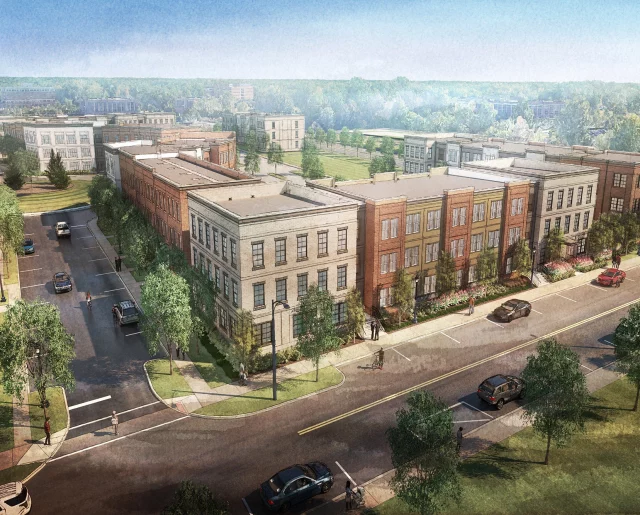
Too often, design and development happen for people: expert decisions delivered at the end of a long process. The All In Dublin project, a collaborative inclusive housing initiative in Dublin, Ohio, offers an alternative: designing with community. Through intentional engagement, collaborative partnerships, and a responsive planning process with the City of Dublin, the project demonstrates what becomes possible when the voices of future residents and the broader community meaningfully shape design outcomes.
Putting People at the Center: Inclusive Engagement From the Start
All Inclusive Living (often called All In) was founded on the recognition that accessible, affordable housing options for adults with disabilities, seniors, and people of all ages are severely lacking in Central Ohio. Their mission is to create communities where people of all abilities can live not just affordably, but with connection, purpose, and autonomy.
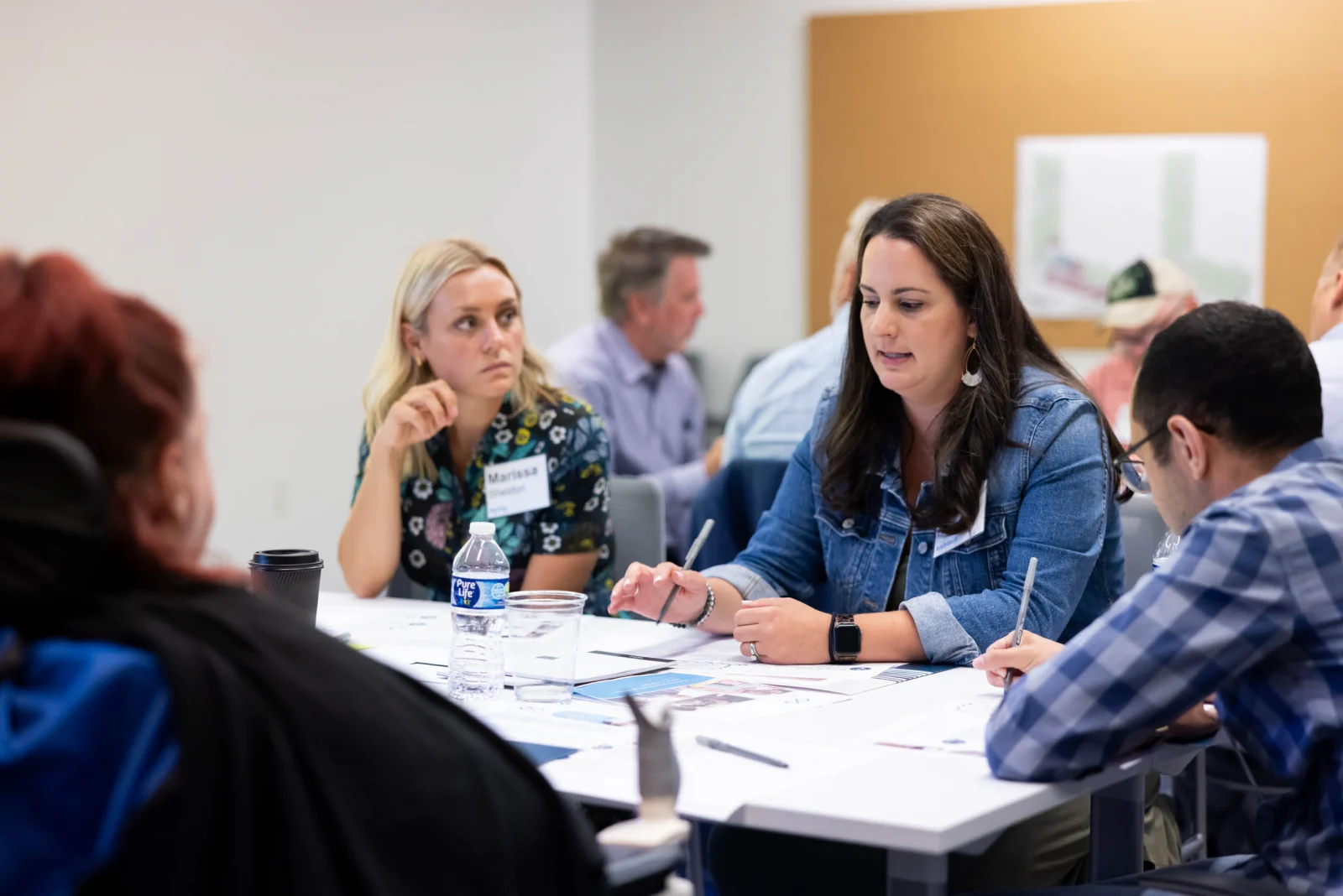
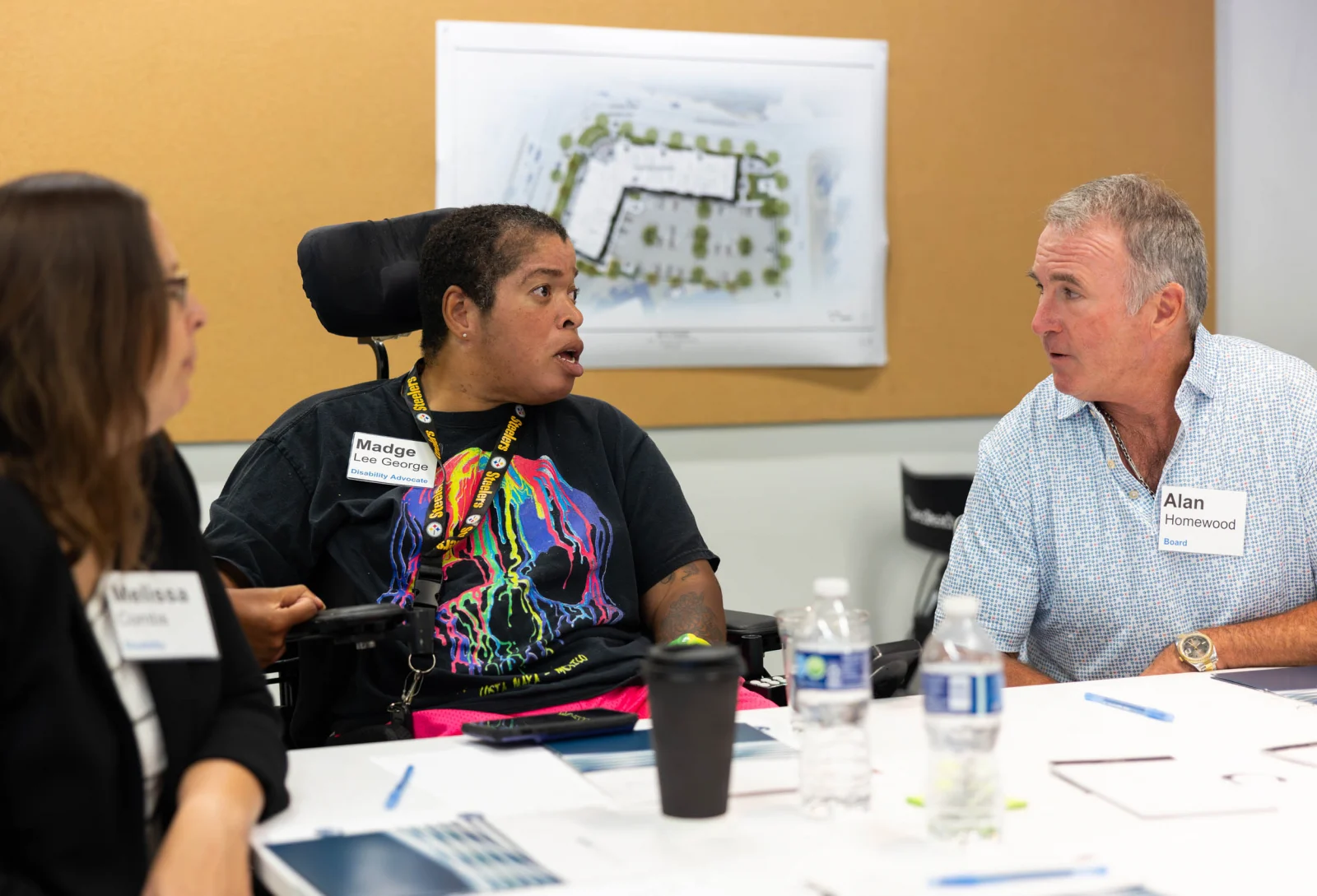
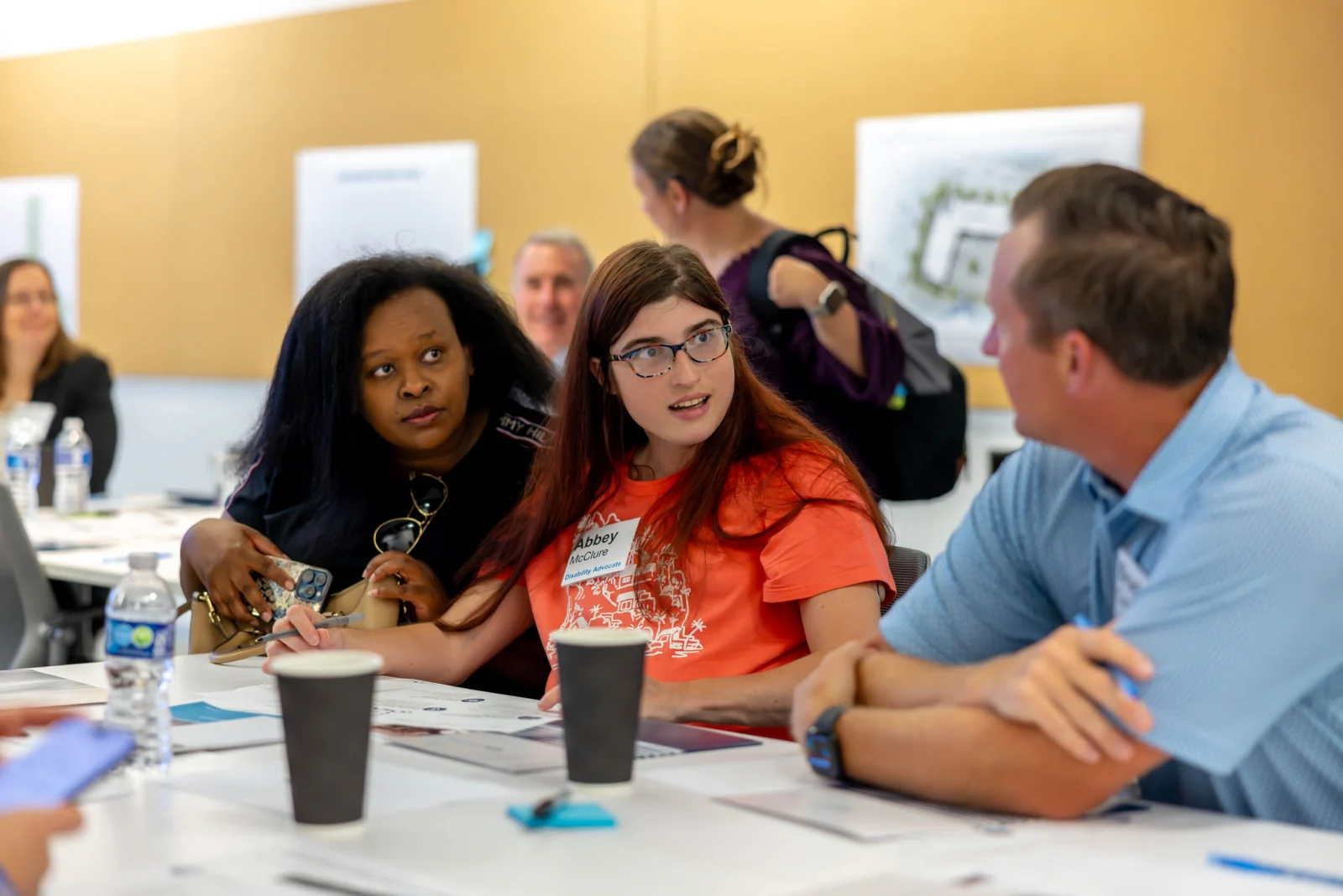
This people-centered ethos guided the early phase of the All In Dublin project. Rather than beginning with a typical multifamily housing design, project partners All Inclusive Living, Columbus Metropolitan Housing Authority (CMHA), and TFG Housing Resources (TFHGR) used community input as the foundation for design decisions. In collaboration with MA Design, All In hosted a community design workshop that engaged input from a key range of community stakeholders, including future residents and adults with disabilities to talk about their lived experiences, daily routines, and priorities for a place to call home. These sessions weren’t superficial, they truly shaped how spaces within the project were imagined, how accessibility was integrated, and how residents could interact with each other and the broader neighborhood.
This approach aligns with emerging best practices in inclusive design, where listening and collaboration aren’t optional extras, but essential components of the design process.
Growing Ideas Into Design
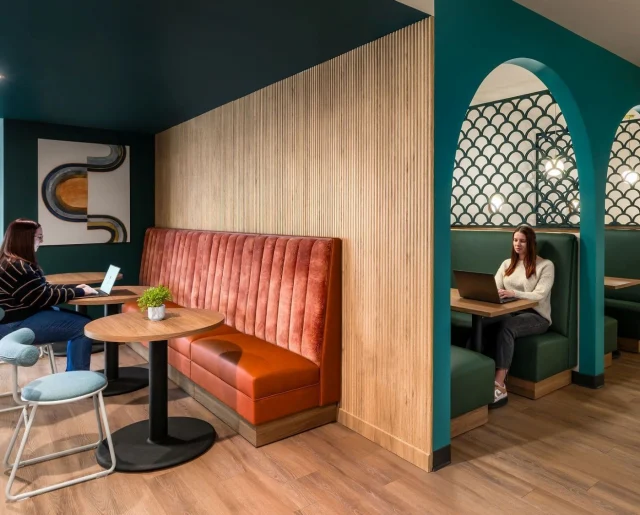
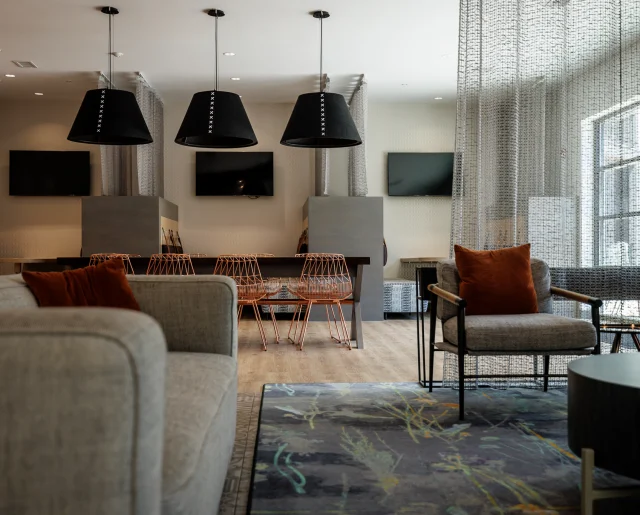
Insights from these early conversations carried through to tangible design decisions. Unit interiors were refined to enhance flexibility and maneuverability in ways that standard codes alone do not prescribe. Common areas and shared spaces were reimagined as places where neighbors could forge connections and routines that enrich daily life. Outdoor spaces and site organization reflect accessibility, comfort, and ease of use for people with a range of mobility levels.
Rather than treating accessibility as an add-on, the team wove it into the core spatial logic, so residents of all abilities can navigate the building and community with independence and dignity. This kind of design transcends compliance; it creates agency.
While these decisions started with community voices, they also made the project stronger and clearer as it moved into formal review. Ideas grounded in actual needs are often easier to communicate, defend, and refine—and that strength was evident in subsequent planning conversations with the City of Dublin.
A Mission-Driven Collaboration
The All In Dublin project is not the work of any single organization, but the result of a shared commitment to inclusive community development. The ownership team, MA Design and design consultants, came together around a common goal: creating housing that expands access, dignity, and opportunity for people of all abilities and income levels.
This project addresses a critical gap in the housing market and is a first-of-its-kind in Ohio. Through this collaboration, the team secured highly competitive 9% Low-Income Housing Tax Credits (LIHTC), providing the majority of financing for the project. This milestone makes it possible to offer rents that are attainable for a wide range of residents while maintaining long-term affordability.
Designing With Community: What It Means Going Forward
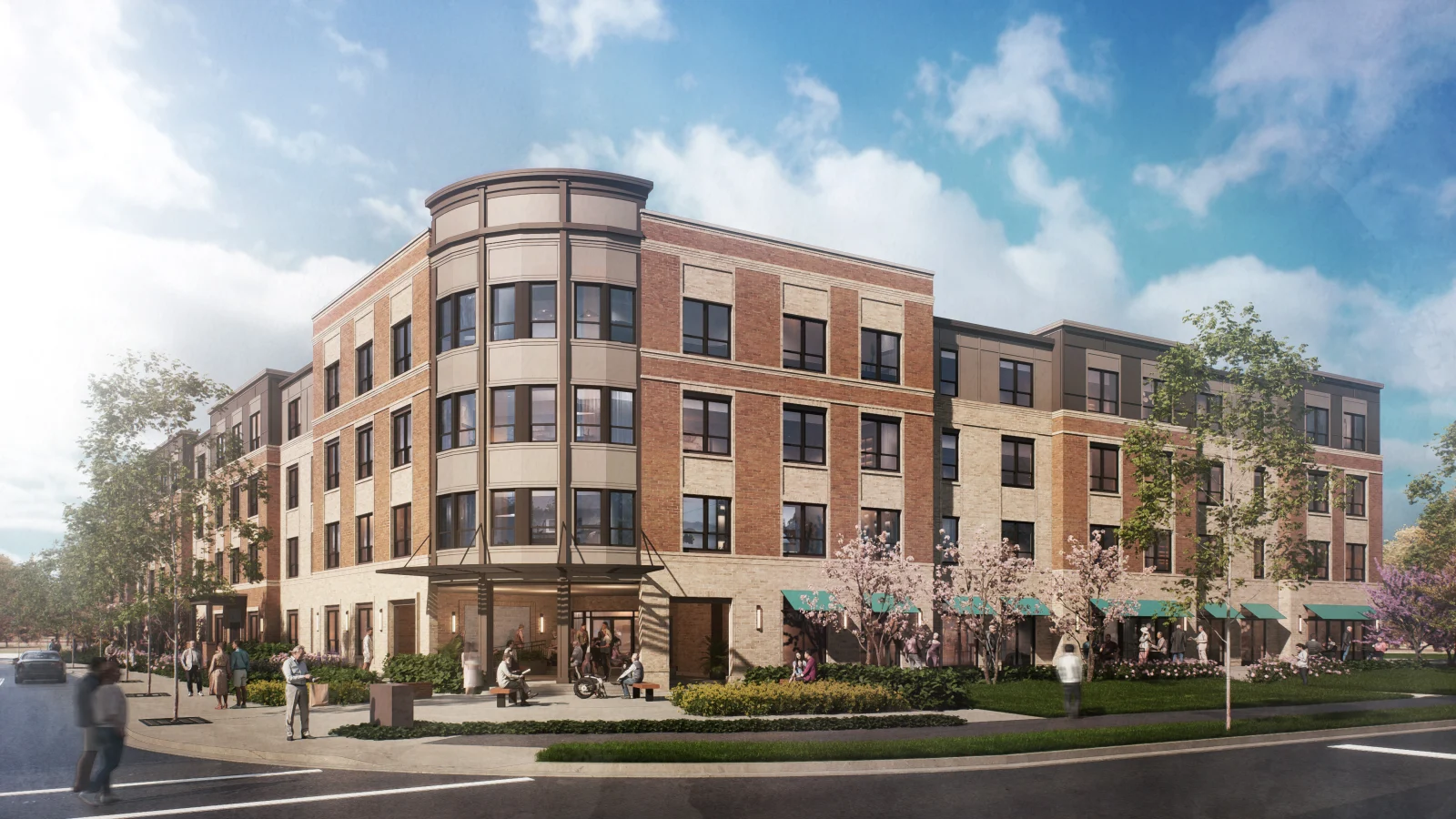
All In Dublin is more than a building project; it represents a methodology for how design can be done differently. Instead of designing for people and then validating that design, this process put future residents and community voices at the center before key decisions were made. It treated planning and zoning not as a checklist, but as a forum for dialogue and refinement. It brought together mission-aligned partners to expand capacity, resources, and impact.
The result is a project that is stronger not just technically, but socially, rooted in the needs, aspirations, and participation of those it’s meant to serve.
At MA Design, we believe that when designers truly design with community—listening, collaborating, and iterating—the outcomes are richer, more inclusive, and more resilient. All In Dublin shows that when design is human-centered and process-oriented, architecture becomes a tool for connection, equity, and shared belonging.