Designing for Neurodiversity: What It Means and Why It Matters
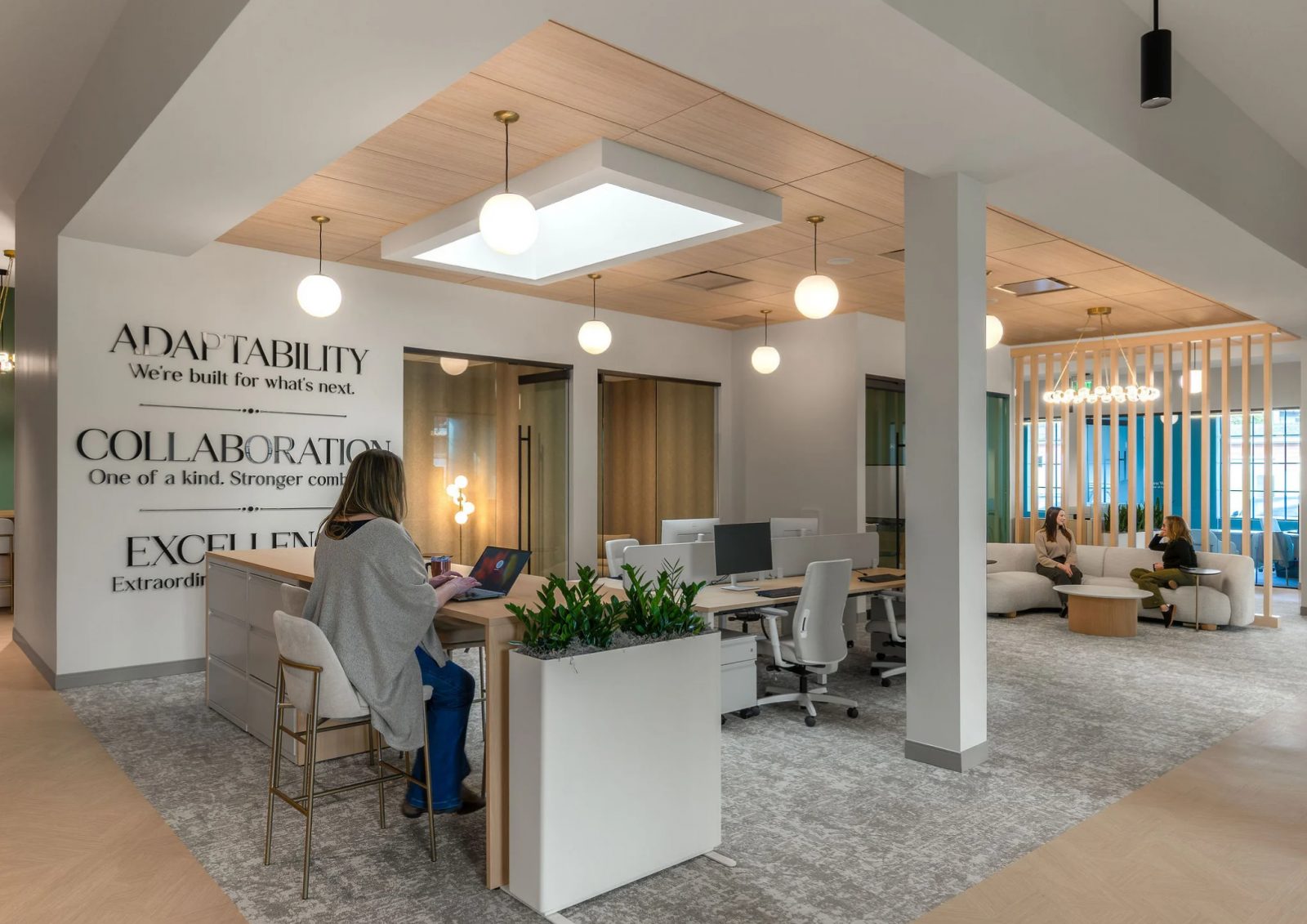
The human brain is not one-size-fits-all, and our built environments shouldn’t be either. Neurodiversity is a term that celebrates natural variations in human brain function and behavior, recognizing conditions like autism, ADHD, dyslexia, and others not as deficits, but as integral parts of human experience. At MA Design, we understand that designing for the mind is just as critical as designing for the body. When environments fail to accommodate different sensory, processing, or communication needs, they can create unnecessary barriers, stress, and exclusion.
Designing for neurodiversity means moving beyond standard accessibility to create spaces that actively support a wide range of cognitive and sensory needs. Integrating neurodiversity into our design philosophy not only improves the well-being and productivity of neurodivergent individuals but ultimately results in more thoughtful, inclusive, and user-centered spaces for everyone. It’s not a niche strategy; it’s a smarter, more human-centered way to design.
Neuroinclusive design looks different depending on the environment. The way these principles come to life varies by environment, user needs, and project goals. That’s why we’re launching a blog series dedicated to exploring how we design for neurodiversity across a range of market sectors and the specific strategies that shape those spaces.
What You Can Expect from This Series
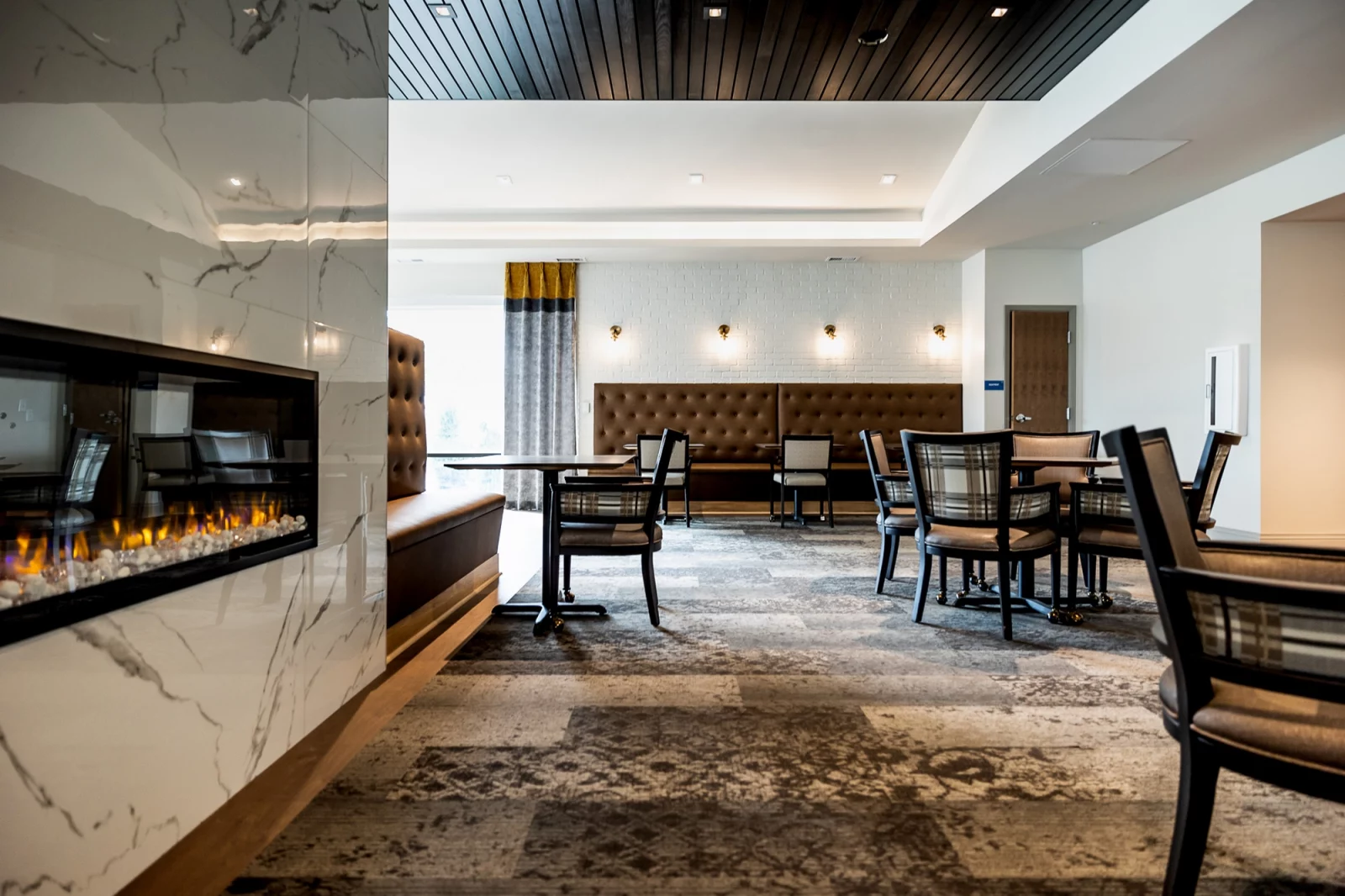
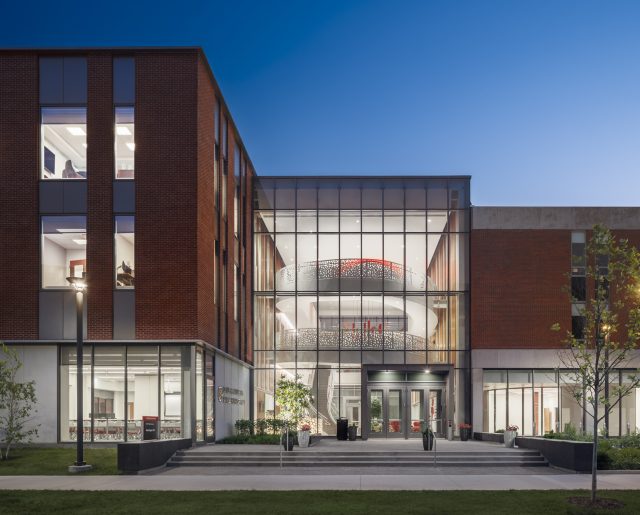
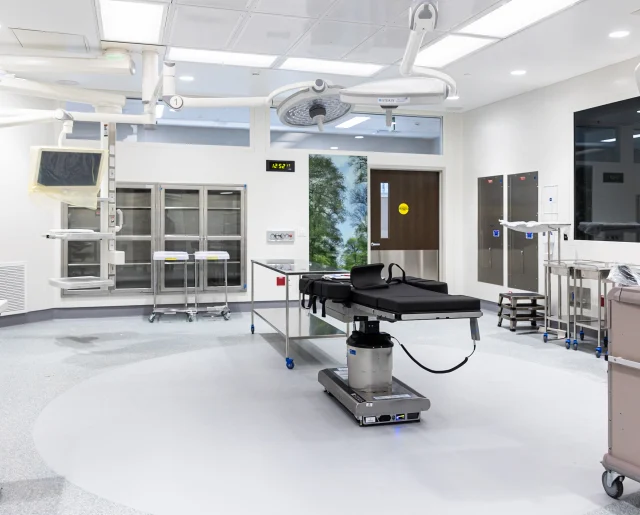
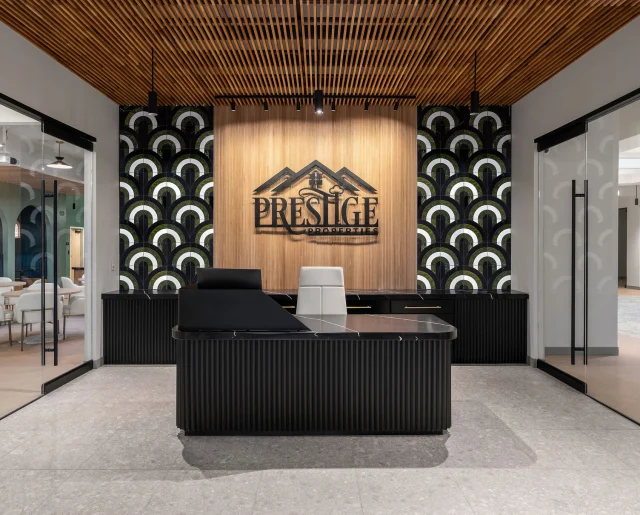
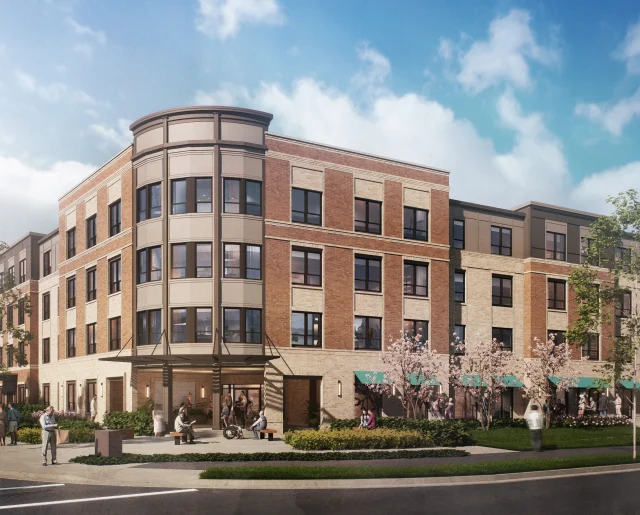
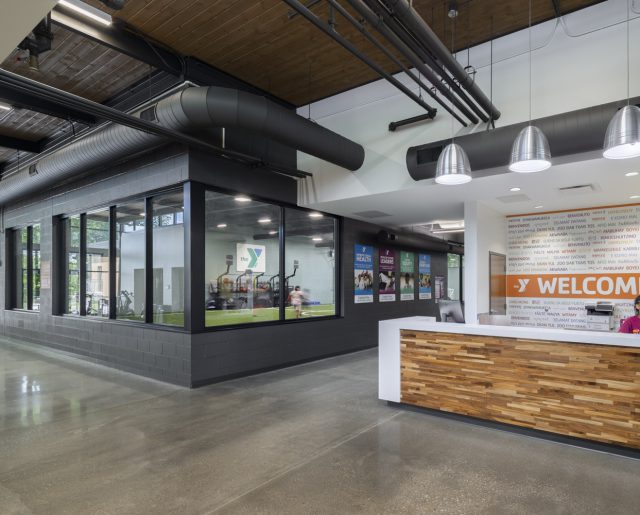
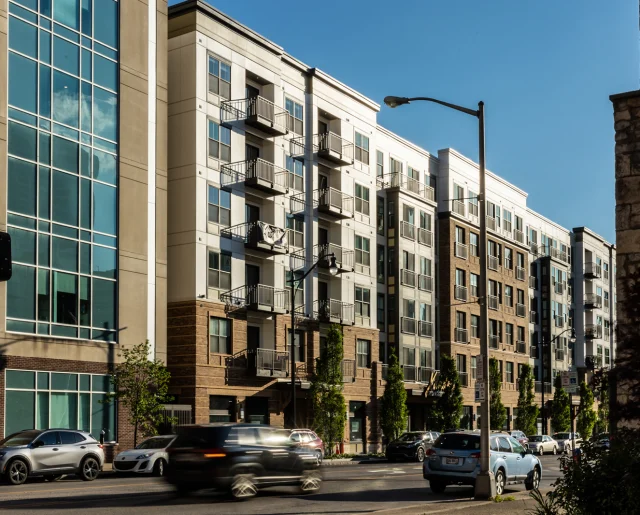
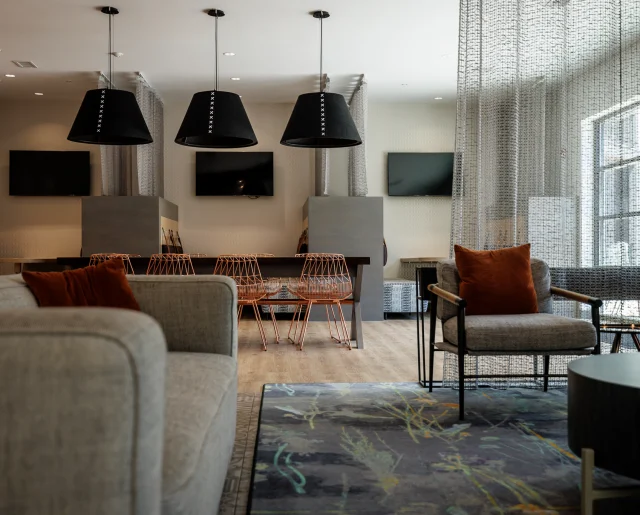
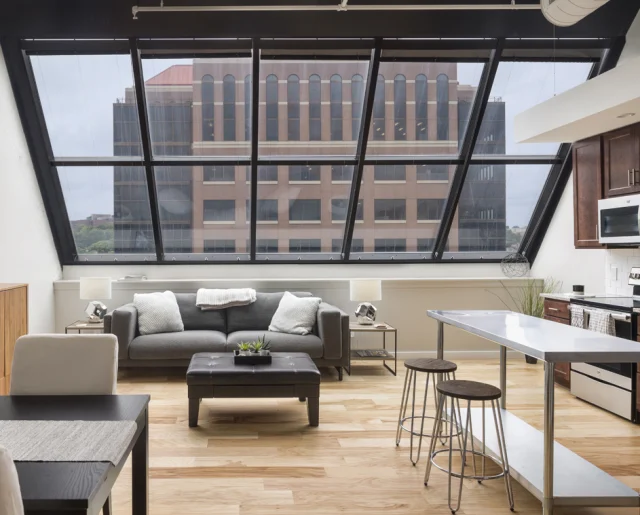
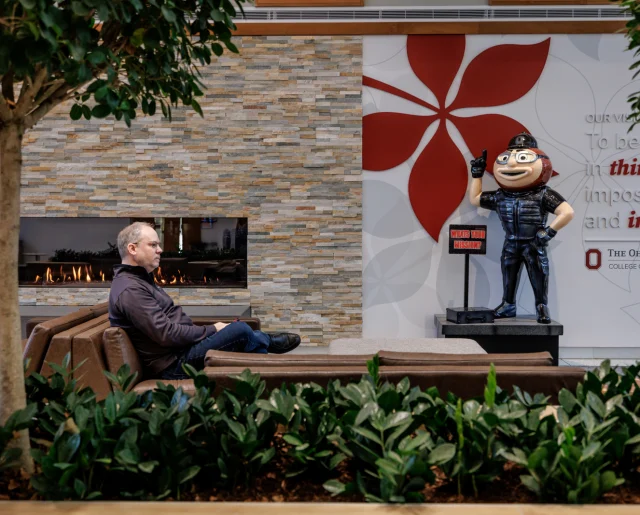
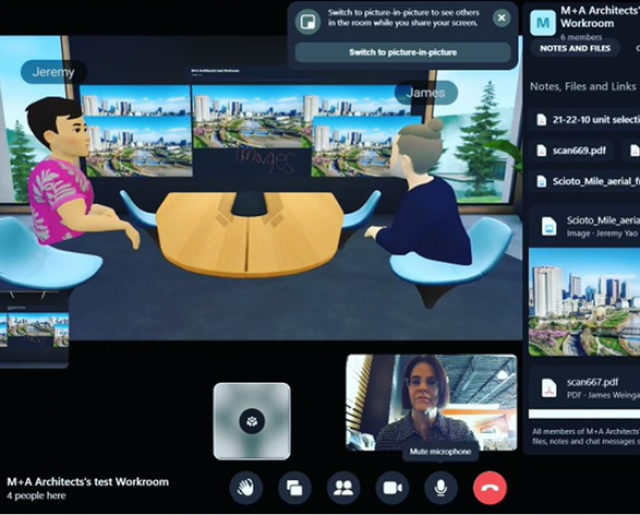
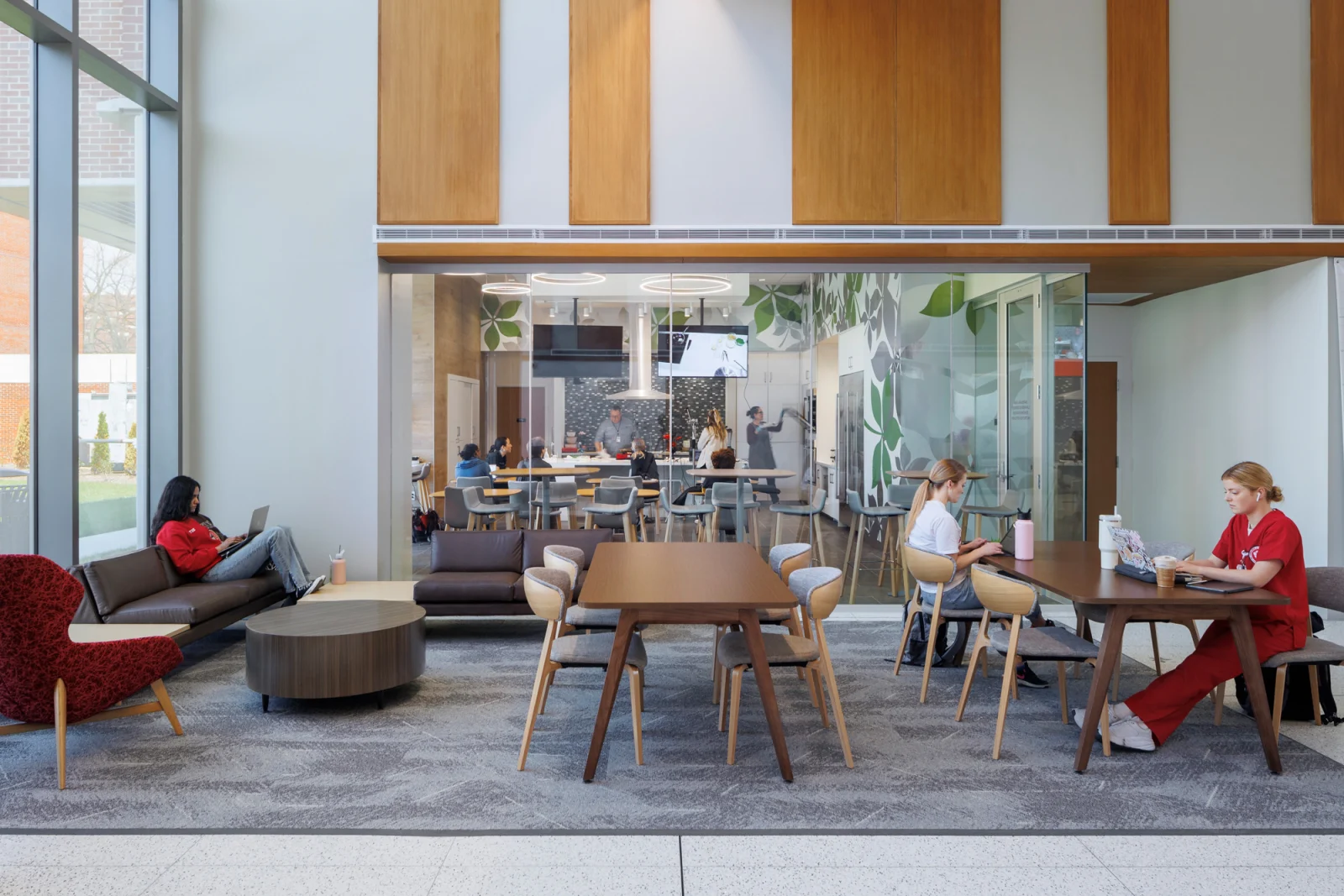
This series will not only define the overarching philosophy of neuroinclusive design but will also take a deeper look at how these principles are applied across key environments, including Senior Living, Workplace, Higher Education, and Healthcare. While each environment presents unique challenges, the goal remains the same: create spaces where more people can thrive.
Across the series, we’ll break down key ideas that shape our approach:
- Understanding Neurodiversity: Recognize cognitive differences in brain function (like autism, ADHD, dyslexia, anxiety, etc.) as natural variations, not deficits, and to design with these perspectives in mind.
- Why Neuroinclusive Design Matters: Inclusive design delivers broader benefits, such as improved well-being, enhanced user engagement, and even potential business advantages like reduced turnover and increased creativity.
- Core Design Strategies: Practical applications such as managing sensory input, improving wayfinding, supporting focus, and creating choice within environments.
A More Inclusive Future by Design
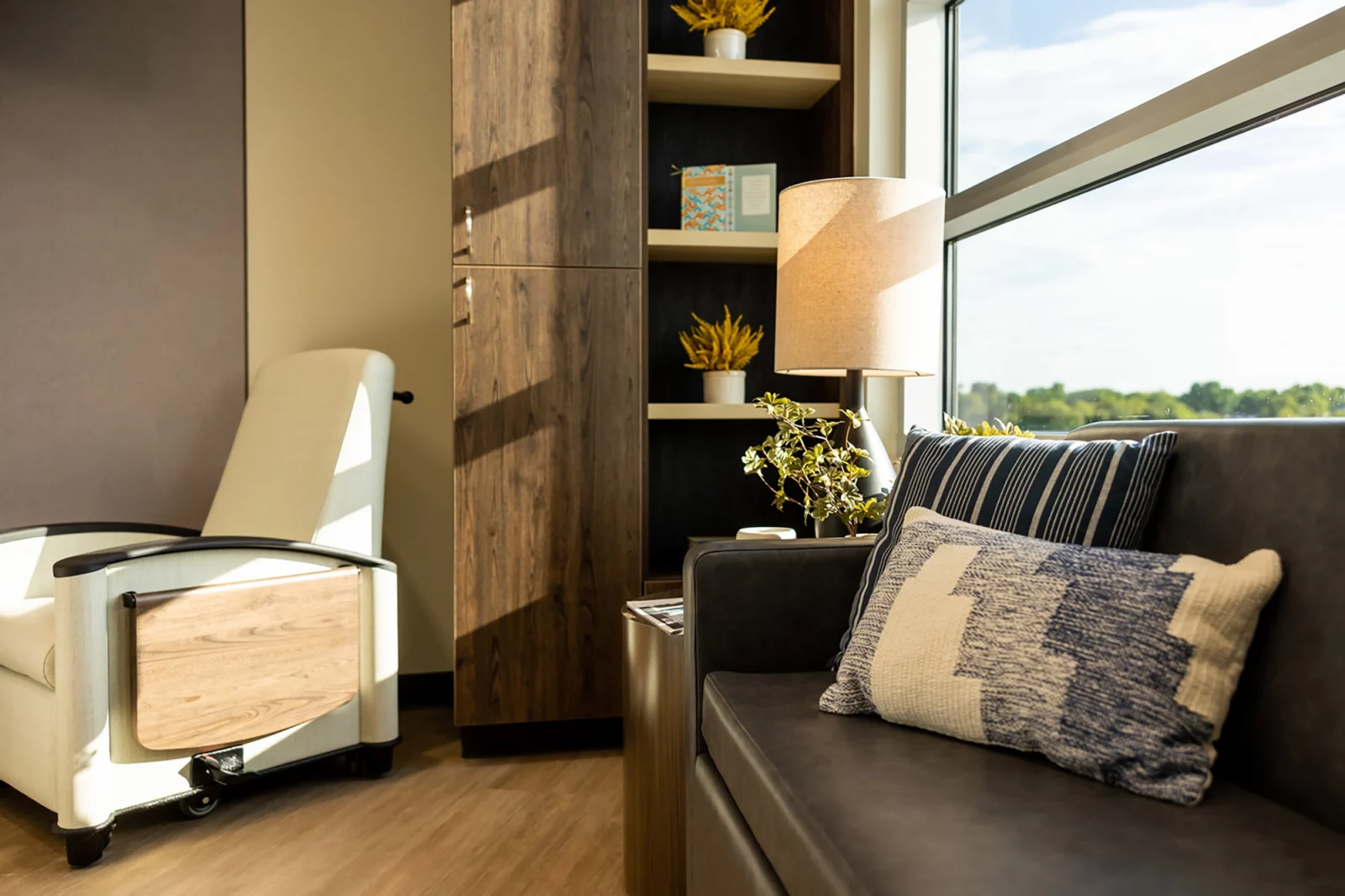
Neuroinclusive design isn’t a trend; it’s an evolution in how we think about people and place. At MA Design, it’s part of a broader commitment to creating environments that respond to real human needs in meaningful ways. Over the coming months, we will explore the unique challenges and innovative solutions for designing neuroinclusive spaces in several of our key market sectors. This series will show how we are leveraging strategic design choices, and real-world applications, to craft environments where every user can thrive.
Whether you are shaping resident experiences, supporting employee performance, enhancing student success, or improving patient outcomes, this series will provide insight into how thoughtful, neuroinclusive design can elevate your space.