Branding Your Space? 3 Lenses to Consider.
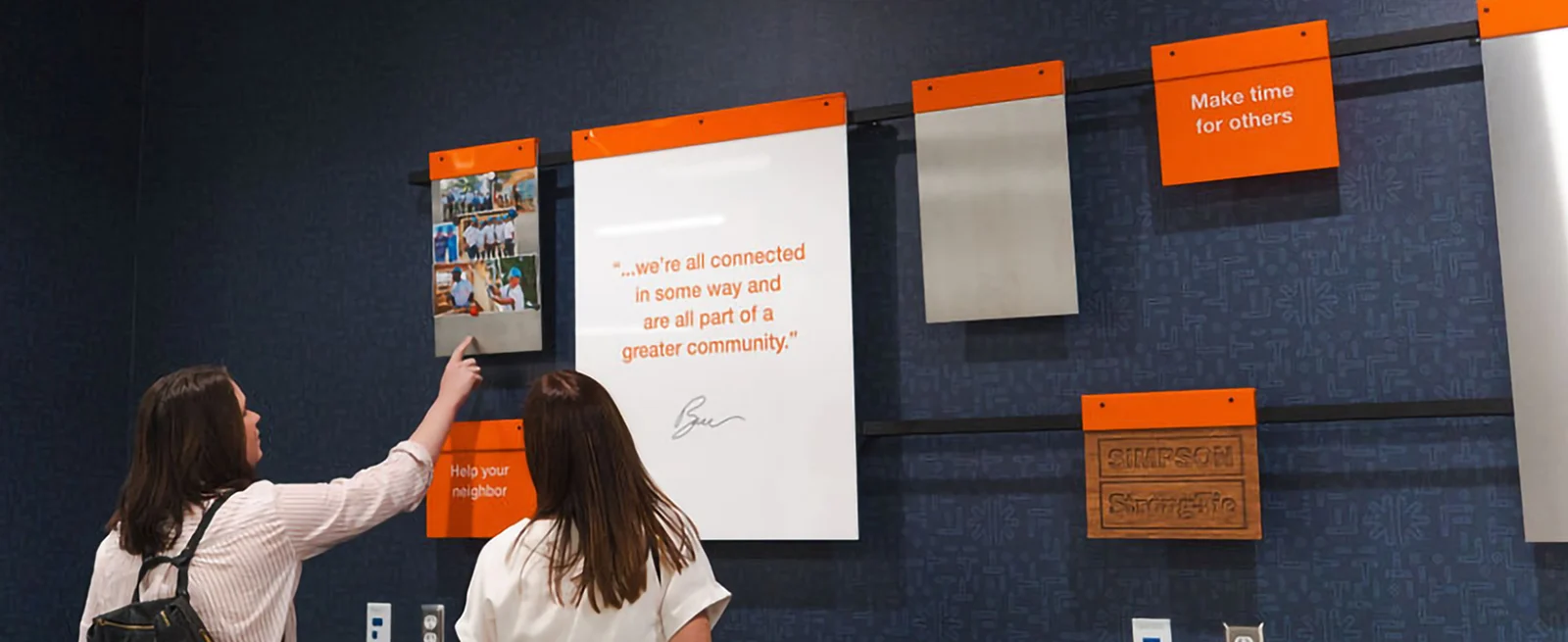
We’ve all walked into a space and immediately felt something, confidence, trust, excitement, or uncertainty, often within seconds. Research shows first impressions form very quickly, which means your environment is already shaping how people see your organization before a conversation begins. That’s why branding your space through experiential design is most effective when it’s intentional and audience-driven. Messages land differently depending on who is experiencing them, how they use the space, and where those moments show up along their path, whether during a client tour, a team collaboration, or a potential new employee interview. When your walls are reinforcing the same story your people live every day, the experience feels authentic and aligned. To get the most impact from your investment, experiential design should be viewed through three key lenses: Visitors & Clients, Employees, and Recruits.
Lens 1: Visitors & Clients
Ask yourself: Why are visitors coming into your space? Are they there to learn more about your services, understand your expertise, or decide whether to work with you? Are they evaluating your credibility, your culture, or your ability to solve their problem? Clarifying these questions helps shape what your space should communicate and where those messages will resonate most.
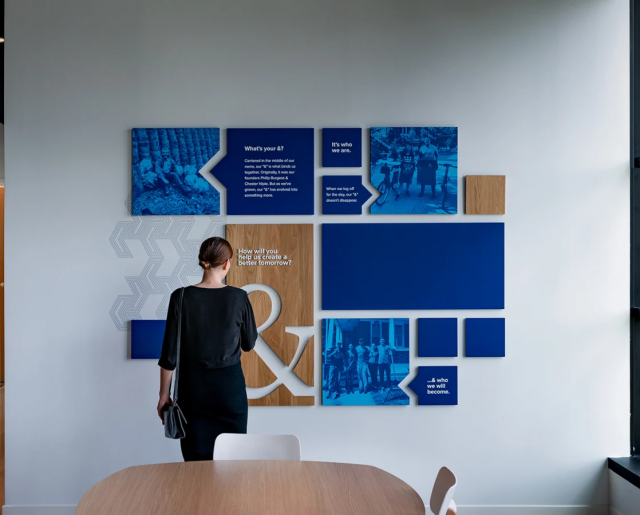
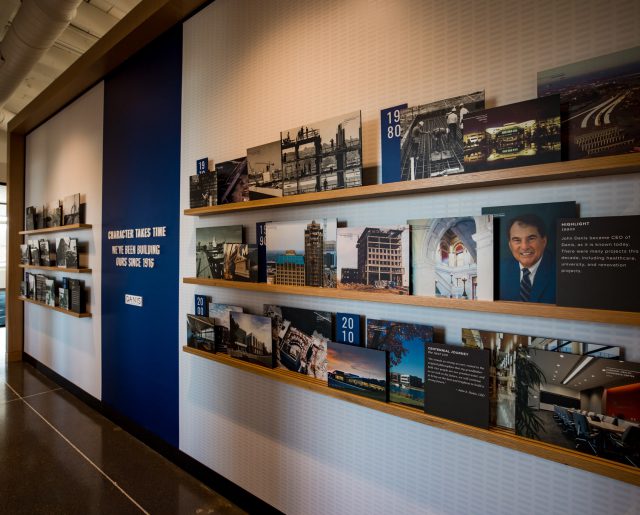
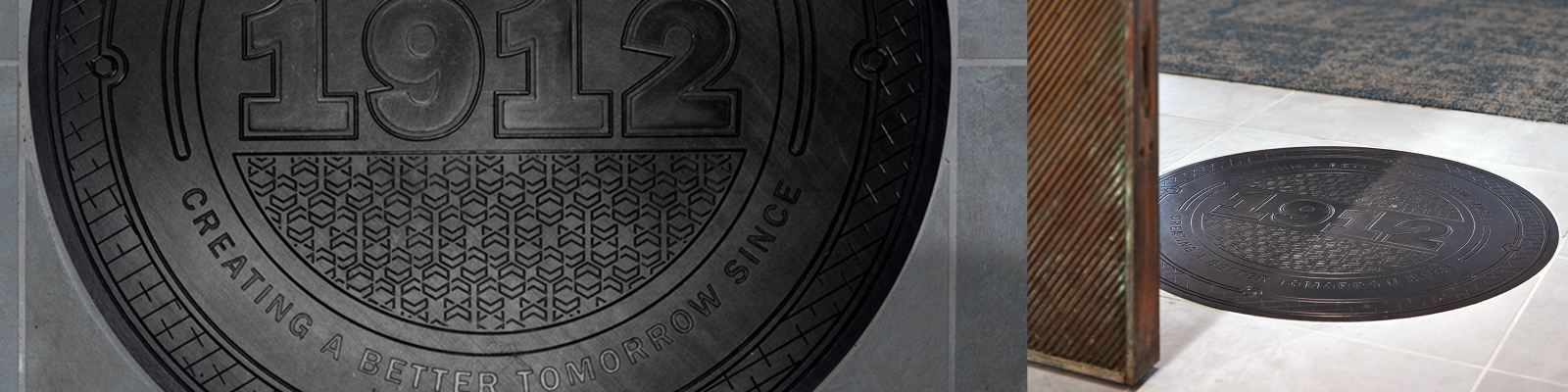
Client-facing environments are an opportunity to reinforce why you do what you do and what sets you apart. Through experiential design, brand moments can highlight your specialties, your reach, and the real-world impact of your work—supporting conversations as they naturally unfold during tours and meetings. In spaces like Burgess & Niple’s Headquarters, experience and values are integrated into prominent client paths to reinforce their beginnings and expertise. These intentional moments help visitors quickly understand who you are and why it matters.
Lens 2: Employees
Employees experience your space every day, which makes experiential design one of the most powerful tools for alignment and engagement. Employees benefit from clear, consistent reminders of the impact of their work, the goals they’re working toward, and how their individual roles contribute to the bigger picture. When those answers are visible in the environment, it helps teams stay connected and moving in the same direction.
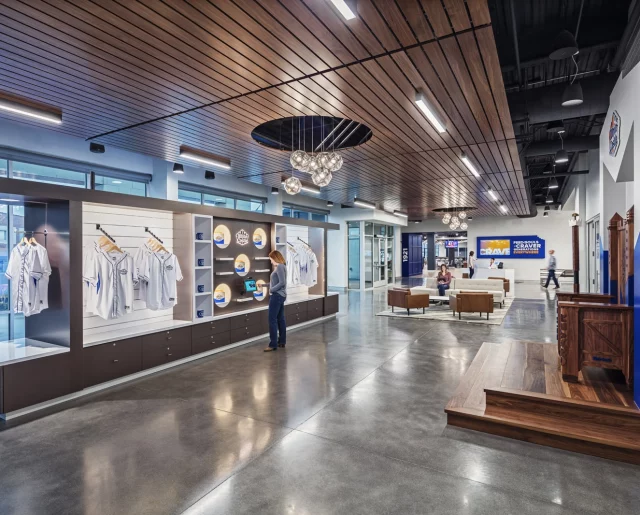
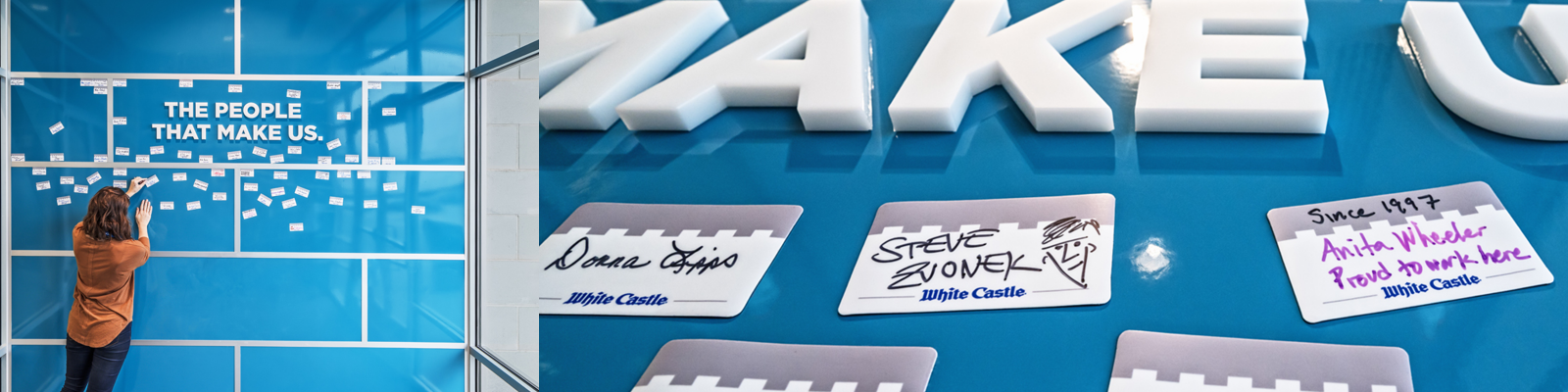
Thoughtfully placed messaging and interactive elements can strengthen collaboration, celebrate progress, and build pride in what’s being accomplished. In White Castle’s New Home Office, employees are invited to personalize branded name tags, adding their name and a message like “Proud to work here since 1997,” which magnetically attach to porcelain panels salvaged from the original headquarters. Repurposed into the team member entry vestibule of their new building, these panels honor the company’s history while giving employees a meaningful way to see themselves reflected in the space daily. These moments aren’t just decorative; they help employees feel valued, aligned, and proud of the work they do.
Lens 3: Recruits
Recruitment is one of the most overlooked opportunities for experiential design, yet it often has some of the highest impact. Long before an offer is accepted, candidates are deciding whether what they’re seeing matches what they’re being told. The environment plays a major role in that assessment.
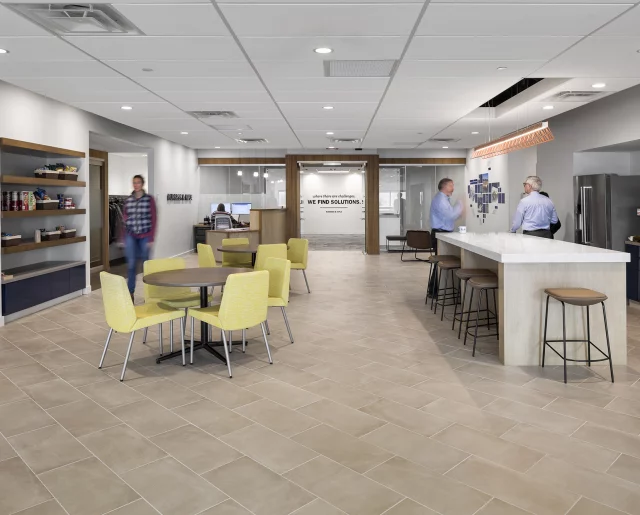
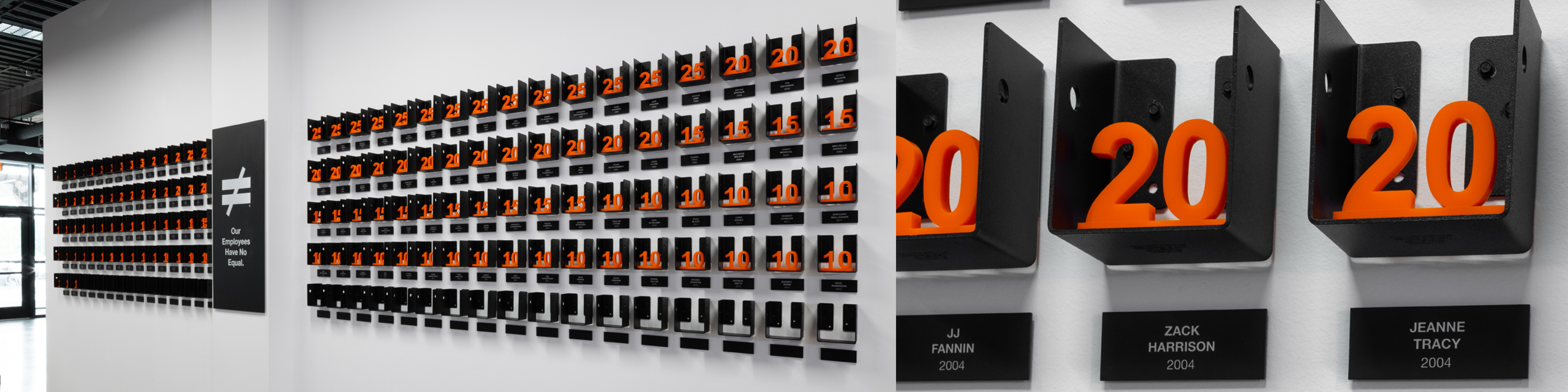
Experiential design helps recruits understand not only what the organization does, but where they could fit within it. When messaging, imagery, and energy in the space align with the people they meet, candidates gain confidence that the culture is authentic. Spaces like Simpson Strong-Tie’s offices use an interactive wall showing employee tenure to visibly celebrate growth, longevity, and individual contributions, helping recruits picture a future there. By thoughtfully placing these brand moments along interview paths and within meeting spaces, organizations can spark excitement, encourage conversation, and help candidates see the impact they could have before they ever start.
Maximizing Impact Through Strategic Placement
The most effective experiential design starts with understanding your viewer. In many spaces, messaging overlaps because clients, employees, and recruits may all pass through the same high-traffic areas. That’s where strategy becomes essential.
We assess where messages can serve multiple audiences and where targeted moments will have the most impact. For organizations focused heavily on staff and recruitment, messaging may lean more toward mission, vision, and culture. For client-driven environments, history, expertise, and services often take priority.
By mapping these lenses throughout the space, clients gain more value from their investment and a brand experience that feels cohesive rather than cluttered.
See How We Can Help
Ready to start the conversation? Let’s uncover what makes your organization unique and explore how experiential design can position your brand in the places that matter most, where the right people will see it, connect with it, and remember it. Reach out to Alicia Orlando to discover how thoughtful, strategic experiential design can help your space work harder for you.