The Business Case for Sustainable Design in 2026: From Ambition to Action
A few years ago, we explored the Business Case for the Triple Bottom Line and ESG, or Environmental, Social and Governance. At the time, companies were rapidly setting sustainability goals, making commitments, and figuring out how environmental and social responsibility fit into their long-term business strategies.
Fast forward to 2026, and the conversation feels different.
There are many reasons for this shift: from rising construction costs and fluctuating energy prices to increasing climate risks. Companies are navigating economic, regulatory, and political uncertainty while still trying to make smart investments in their properties and plan for the future. Together, these challenges have caused a collective pause and reevaluation of priorities, including how we approach and achieve sustainability goals.
The question that keeps coming to mind during this time is: Are ESG, the Triple Bottom Line, and sustainability in general still relevant?
The answer is a resounding yes, but the business case has evolved to meet the changing tides.
The conversation is shifting from ambition to implementation. Today, sustainability is less about making the biggest commitment and more about making strategic decisions that create measurable value, and following through on them. There is a growing emphasis on action, accountability, and actually achieving the goals and targets that have been set.
A More Pragmatic Era for Sustainable Design
In BSR and GlobeScan’s State of the Sustainable Business article, they describe this shift towards a pragmatic era: “As sustainability enters a more pragmatic era defined by narrower priorities, more focus on implementation, tighter budgets, and greater scrutiny, corporate leaders must focus on delivering impact with greater efficiency and effectiveness. The time to act—and deliver—is now”. This article also emphasizes the growing importance of aligning sustainability goals with broader company values and priorities.
This aligns closely with what we believe at MA Design. Sustainability shouldn’t be a separate layer added onto a project. In fact, some of the most successful sustainability strategies happen when they are simply part of making good design decisions, and designing better buildings.
Increasingly, successful sustainability strategies are about finding the co-benefits. Which means identifying where sustainable design can also help solve other project challenges, and advance broader project goals. Rather than approaching sustainability as a separate checklist, the opportunity is to determine where it can have the greatest impact, and best support the project as a whole.
4 Ways Sustainable Design Creates Business Value
In 2026, the business case for sustainable buildings remains strong: from reducing operating costs and managing climate risks to creating healthier, more adaptable buildings. The value becomes clearest when we look at how sustainable design decisions translate directly into building performance, resilience, and long-term value.
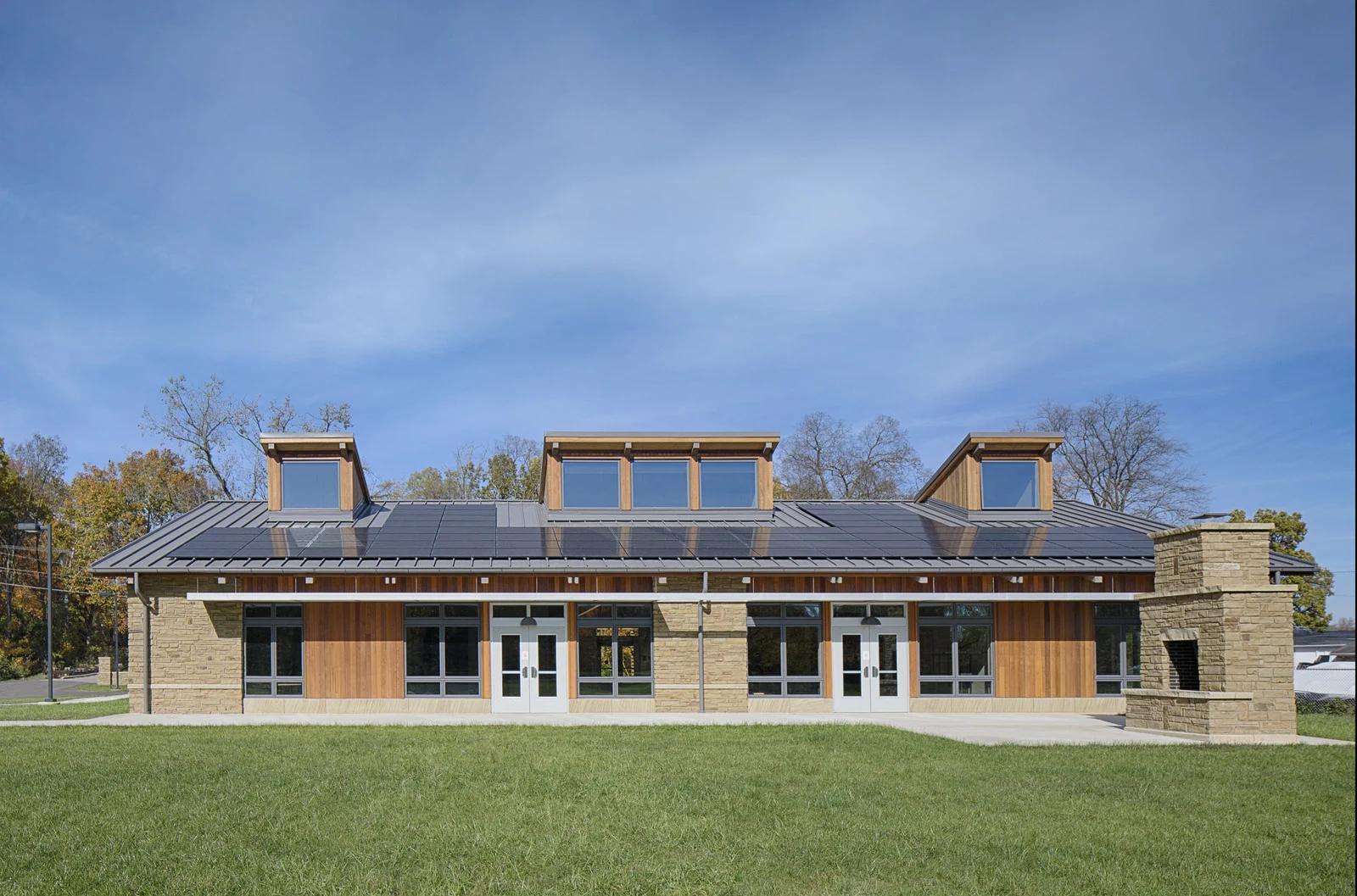
1. Reduce Energy Use + Operating Costs
Energy efficiency is about more than reducing a building’s carbon footprint. It can also reduce operating costs and exposure to changing energy prices.
Some of the most effective strategies are also fundamental principles of good design:
-
-
-
-
- Reduce energy demand through building orientation and passive design.
- Improve envelope performance.
- Select efficient building systems and electrify strategically.
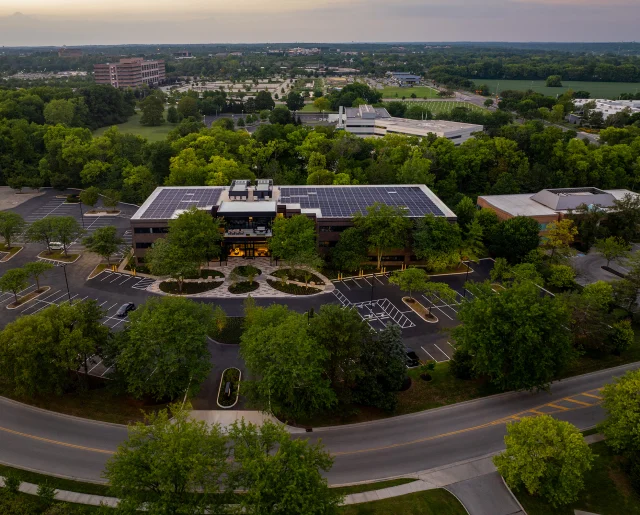
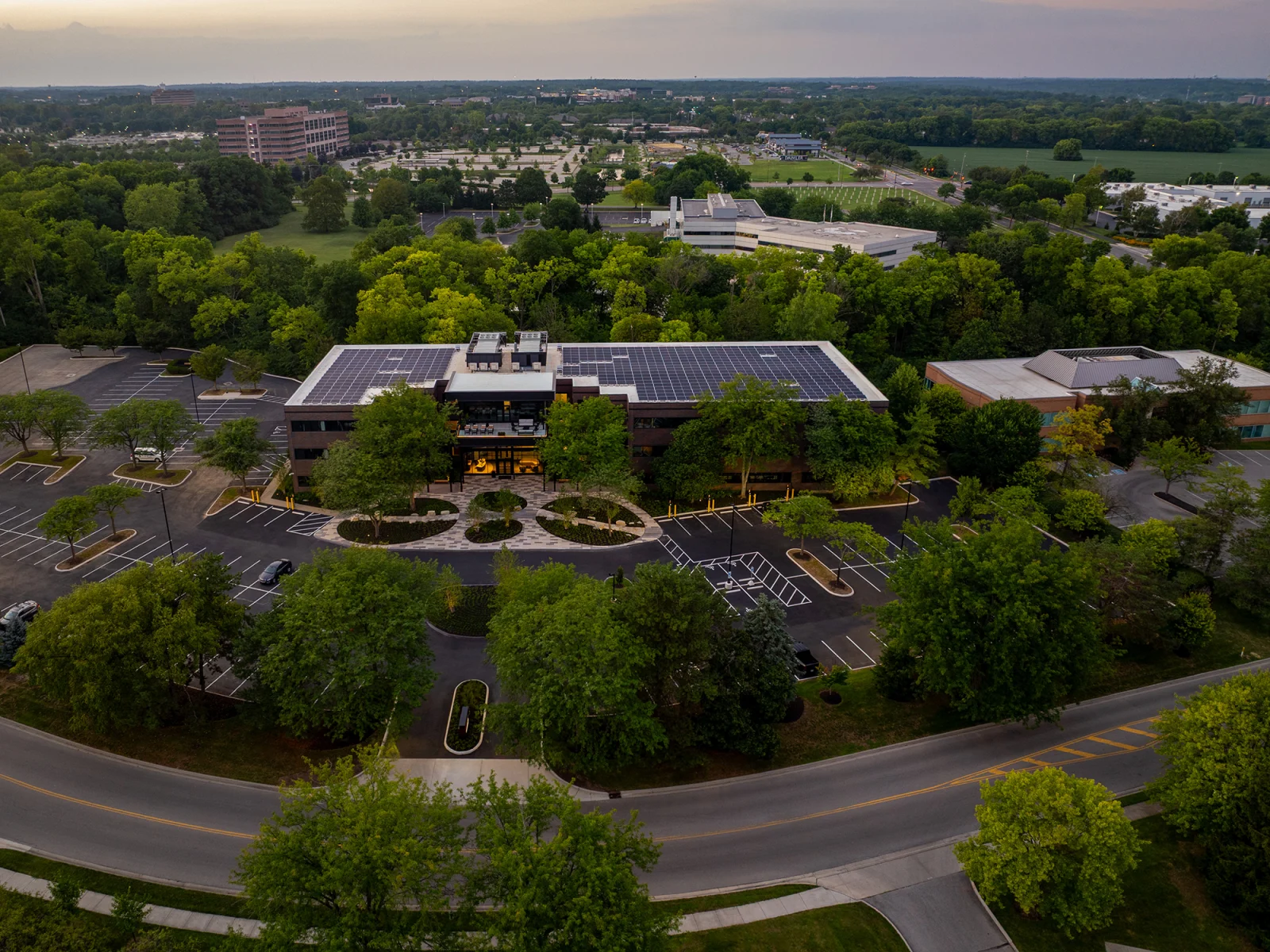
- Incorporate renewable energy, such as solar and battery storage, where it makes sense.
- Plan infrastructure so future renewable energy or building-system upgrades are easier to implement.
-
-
-
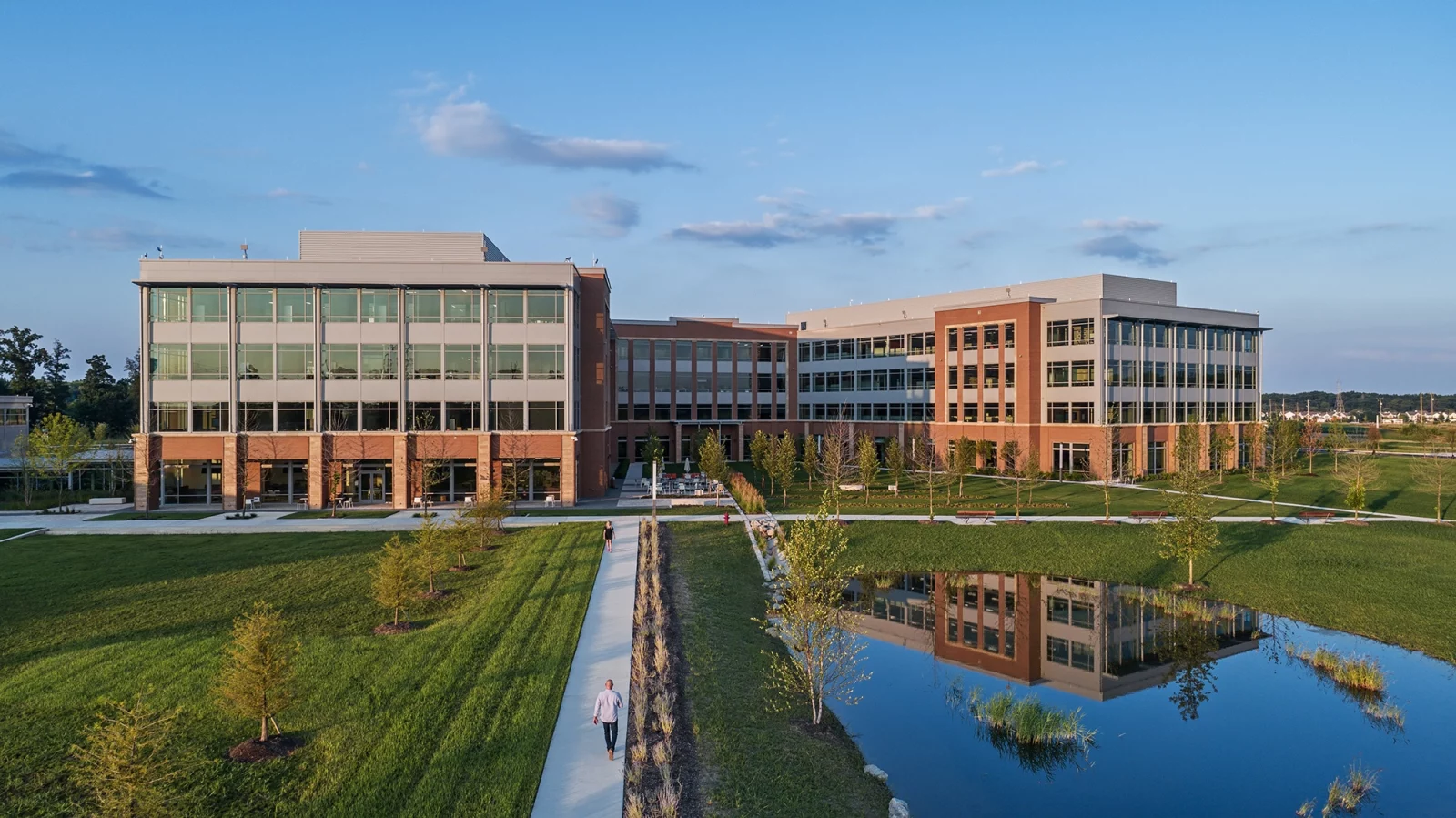
2. Build Climate Resilience + Reduce Risk
Buildings designed today may operate for 50 years or more, making it increasingly important to consider how changing climate conditions could affect them throughout their lifespan.
-
-
-
-
- Depending on the project and its specific risks, climate-smart design can include:
- Passive strategies that help maintain safer indoor conditions during outages.
- Durable envelope systems designed for more extreme conditions.
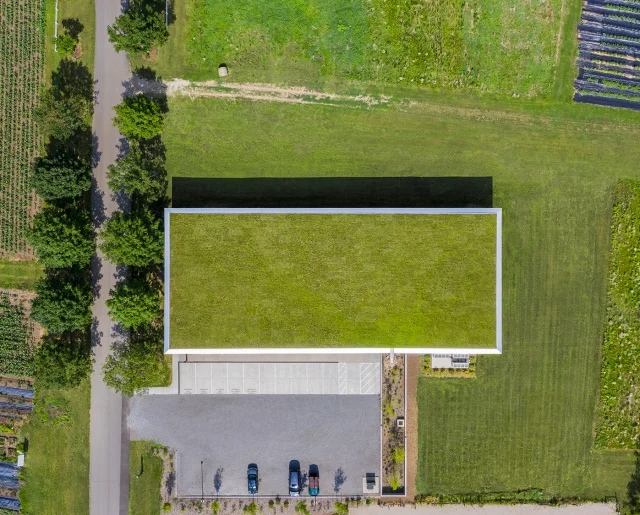
- Green infrastructure strategies for stormwater management to mitigate higher intensity precipitation events
- Shade and landscape strategies to reduce heat.
-
-
-
These aren’t simply “green initiatives.” They can help protect the building, its occupants, operations, and the owner’s long-term investment.
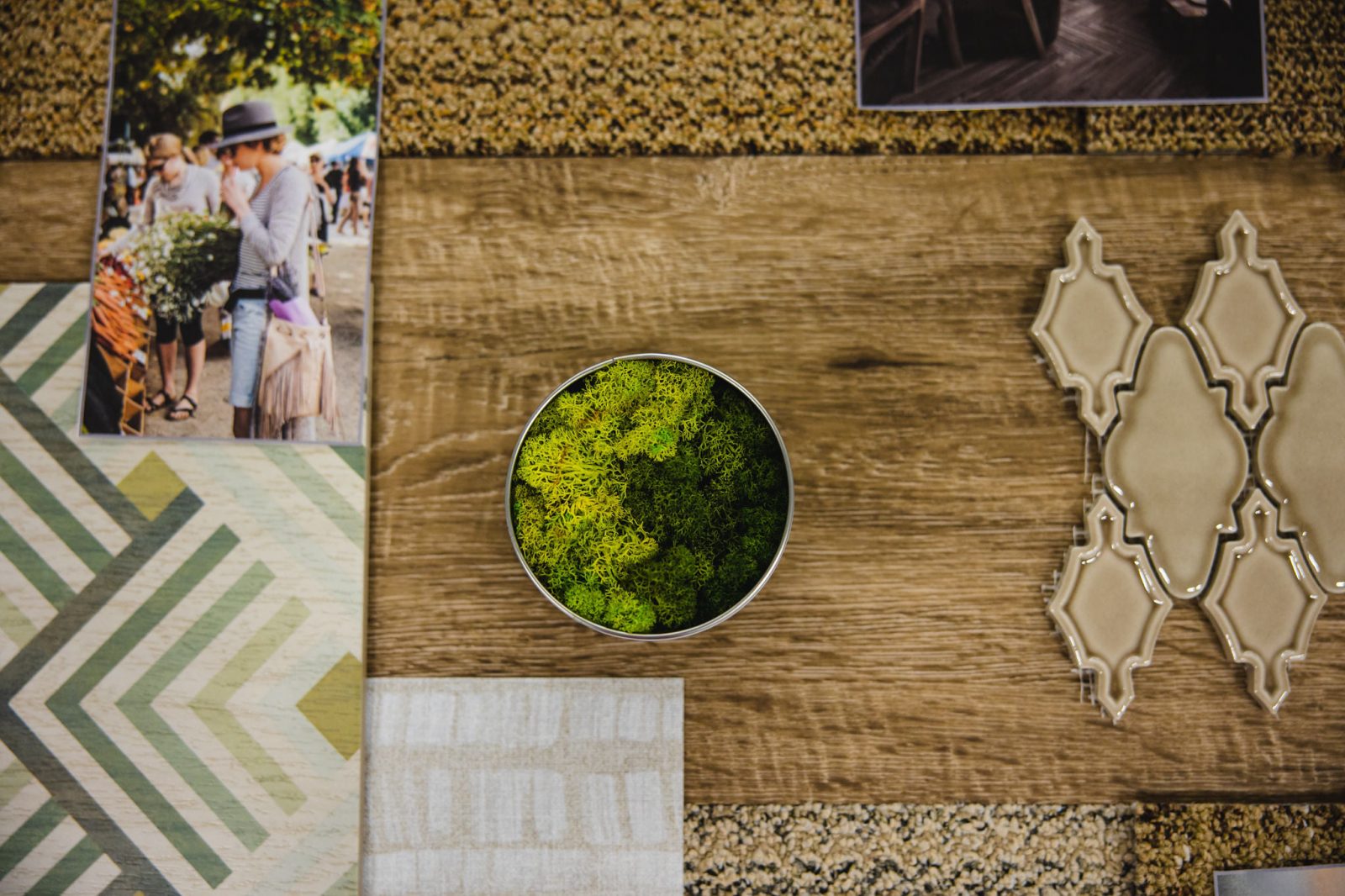
3. Invest for Long-Term Value
Some sustainable strategies require additional upfront investment, but first cost shouldn’t be the only measure of value. Decisions made during design can influence energy, maintenance, and replacement costs for decades.
Consider the longer-term opportunities:
-
-
-
-
- A better-performing envelope can reduce energy use and mechanical loads.
- Durable materials can reduce maintenance and replacement costs.
- Renewable energy can offset future utility costs.
- Efficient equipment can be incorporated as existing systems reach the end of their useful life.
- Infrastructure can be designed today to accommodate future technologies that may not fit the current budget.
-
-
-
Sustainability doesn’t have to happen all at once. By integrating sustainable improvements into long-term capital planning, they can become part of normal building investment rather than a separate expense. Local and state-level financing programs and incentives can also help offset or manage upfront costs, such as OAQDA’s Clean Air Improvement Program.
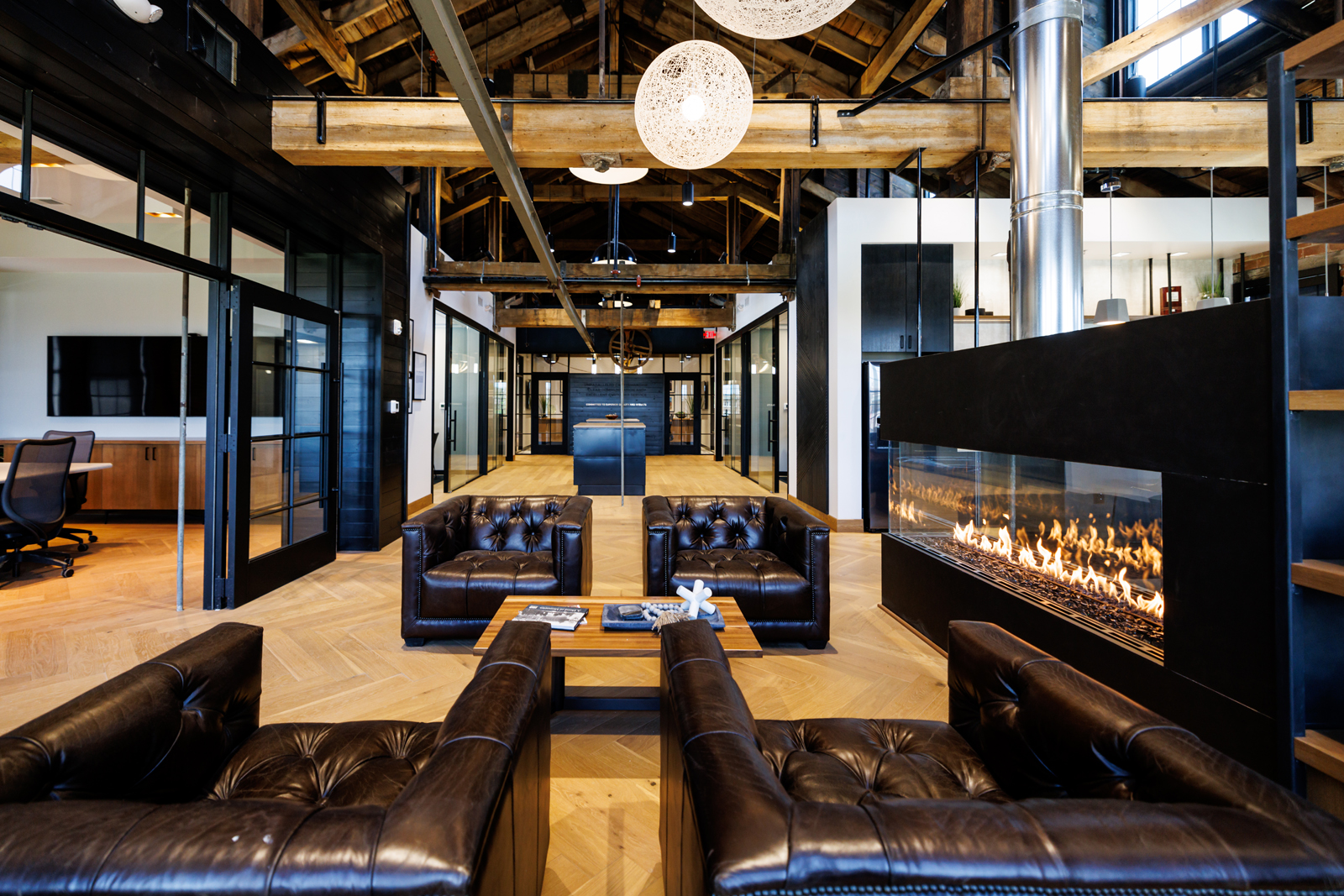
4. Design for Adaptability + Flexibility
Long-term value isn’t only about how efficiently a building operates. It’s also about whether the building, and the materials within it, can adapt as needs change.
Strategies rooted in the circular economy can include:
-
-
-
-
- Prioritizing adaptive reuse to extend the life of existing buildings and reduce embodied carbon.
- Selecting durable, repairable, and low-carbon materials.
- Designing flexible floor plans and adaptable building systems.
- Using Design for Deconstruction principles so materials can eventually be repaired, relocated, reused, or recovered rather than discarded.
-
-
-
These strategies reduce waste and environmental impacts while giving owners greater flexibility as their needs change. A building that can adapt is less likely to become obsolete.
Start Small. Start Strategically.
Sustainable architecture doesn’t mean every project needs every strategy. One project may benefit most from reducing energy consumption and adding renewable energy. Another may prioritize adaptive reuse, resilient site design, healthier materials, or flexibility for future change.
The best opportunities are often found when these conversations happen early, while the team still has the greatest ability to influence the design without adding unnecessary cost or complexity.
The business case for sustainable design isn’t about sustainability for sustainability’s sake. It’s about designing buildings that use resources wisely, cost less to operate, protect the people inside them, withstand changing conditions, and remain useful for as long as possible.
The Triple Bottom Line of people, planet, and profit is still relevant. ESG is still relevant. Decarbonization is still relevant.
But increasingly, the most compelling business case may simply be this: Designing for sustainability means designing for the long term. And in an increasingly unpredictable world, that’s not just sustainable design. It’s smart design.