How the Building Codes will Tackle Housing Affordability: What’s Coming to Ohio and Elsewhere
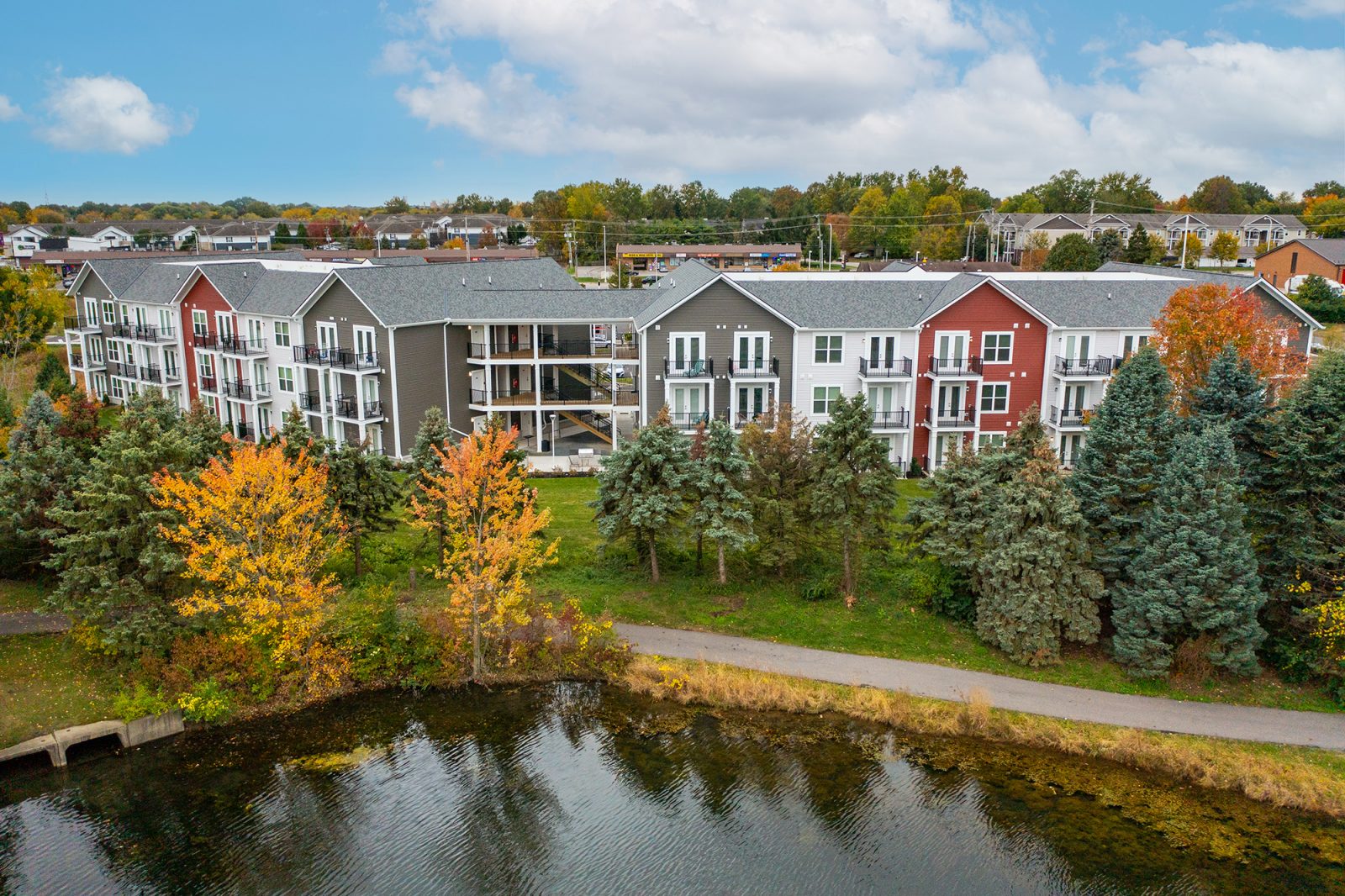
Housing affordability has become a significant concern, not just for home owners, renters and the lawmakers serving communities but for those participating in the development of building codes. Changes involving single-stair apartment buildings and sprinkler requirements could create opportunities for more affordable housing, provided those changes remain balanced with life safety.
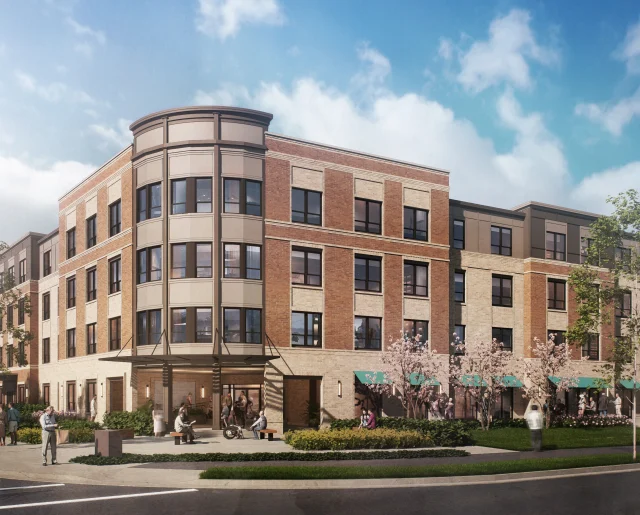
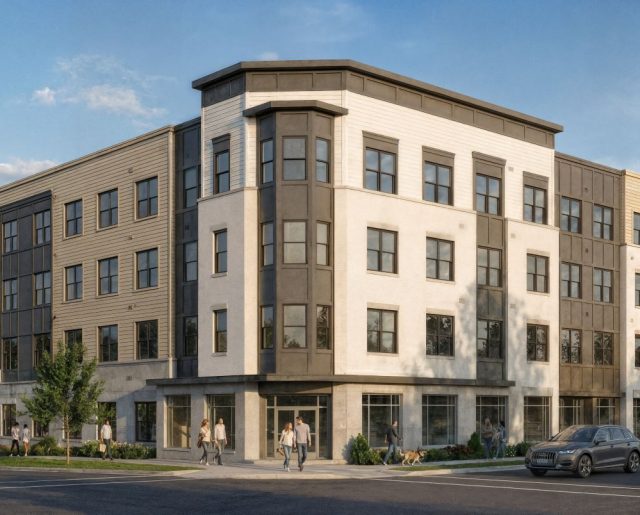
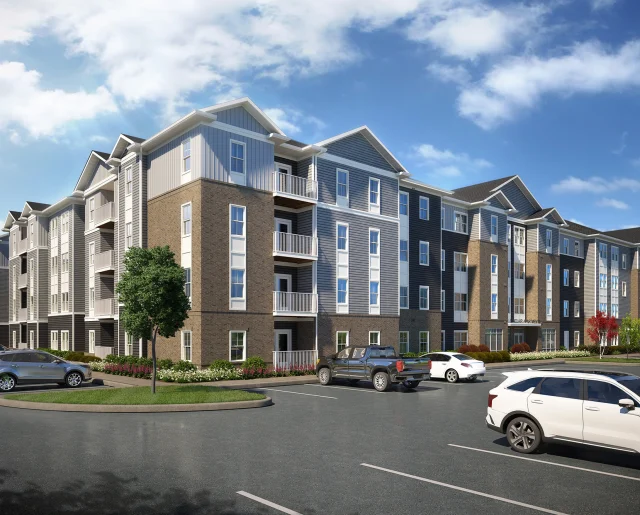
How Could Four-Story Single-Stair Apartments Help?
Nationally, there have been efforts to write legislation that increases the allowable number of stories and height for single-stair walk-up apartment buildings. One of the more significant changes to come out of the 2027 International Building Code (IBC) code development cycle in the hopes of positively impacting housing affordability, will expand the permitted number of stories for walk-up apartments from three to four. This change aligns the international building codes with what has been allowed by NFPA 101 for over two decades. It also brings the model codes closer to what has been permitted in cities such as Seattle and New York, which have allowed walk-up residential units for more than a decade up to six stories.
It is without question that nationally as many of our rural communities become denser, the push for taller single-stair residential buildings will increase. But one thing these denser cities have that many rural towns and counties do not, are the tall ladder trucks to effectively provide fire and rescue services to these taller apartment structures. Expanding the number of stories from three to four creates an opportunity for significant increase in the potential density for walk-up apartments, offering a worthwhile compromise between increased density and life safety.
What is Ohio Proposing for Four-Story Apartments?
For those of us in states like Ohio that have historically adopted code changes less frequently, developers and apartment renters might not see this make its way to our local building codes for several more years. Which is why we were surprised but excited to see the Ohio Board of Building Standards propose adopting the provisions to allow four-story walk-ups earlier this year. The expectation is that this change will make it into the Ohio Building Code after the introduction of the 2027 International Building Code but before the end of 2026.
The proposed code change aligns with the 2027 IBC which includes additional requirements on the design of these structures that must be considered and applied to all stories including:
-
-
- Limiting the net floor area of each floor to 4,000 square feet
- Limiting the type of openings to the interior exit stairway and excluding elevators from openings into the stairway
- Requiring a manual fire alarm system and automatic smoke detection system
- in common spaces outside of dwelling units
- Automatic sprinklers in interior exit stairways
- Electrical receptacles are prohibited within the stairway
-
Why Sprinkler Requirements Matter for Housing Affordability
One additional change included as part of the most recent proposal from the state included a change recommended by the staff at MA Design. The proposed Ohio code change would adopt a 2024 model code change and could have a more significant impact on housing affordability within the state of Ohio.
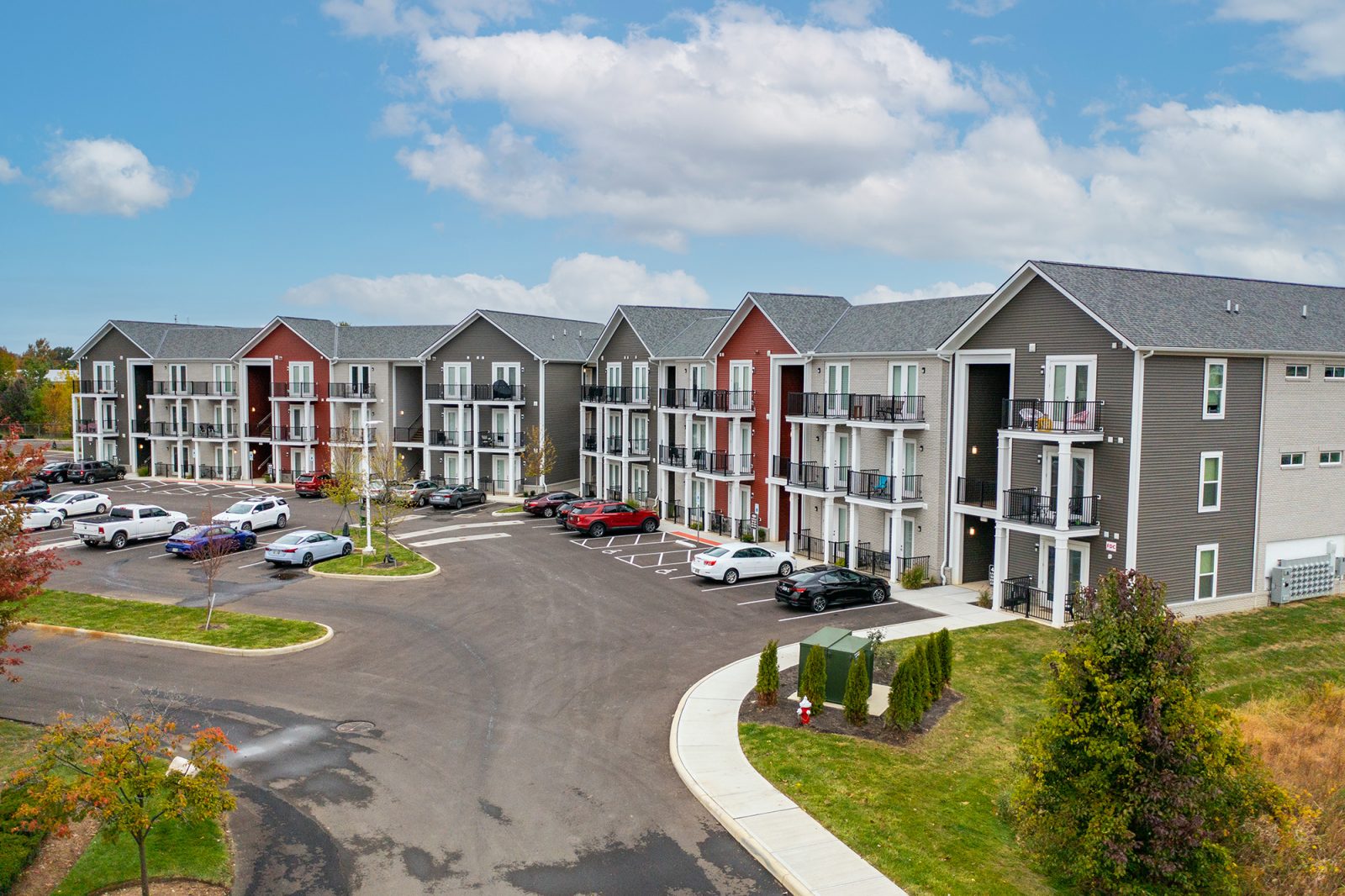
First, a little background. When Ohio adopted the 2021 model codes, the use of the less expensive NFPA 13R sprinkler systems in all practicality became limited to apartment buildings three stories or less. Even though it could be possible to design four-story residential buildings using an NFPA 13R sprinkler system, developers looking to adopt it would be significantly constrained on floor-to-floor height making these residences impractical and potentially undesirable. The 2024 model code shifted the constraint from floor-to-floor height to a taller roof height, giving designers and builders more opportunities to design more affordable four-story apartment buildings.
Connecting Code Changes to Development Decisions
MA Design identified that four-story walk-ups intended to increase affordability would not be widely considered by developers without introducing the 2024 model code change as developers that specialize in three-story walk-ups would likely not consider installing full NFPA 13R sprinkler systems throughout to be able to add a fourth story. The state, by including this change, not only increases the likelihood of developers considering four-story walk-ups but also gives them opportunities to consider it on other four-story apartment solutions.
Balancing Housing Affordability with Life Safety
As we look toward the future, the push for taller residential buildings will increase beyond four-stories. The considerations needed to keep them affordable must remain balanced with life safety. Single-stair buildings offer an opportunity to improve affordability when travel distances, fire protection and alarm systems are considered. However, expansion must be tempered by accessibility and considerations on how we fight fires.
It is not the goal of the building code to make fighting fires safe for all, but to save lives and protect property. Which is why we must consider when making these buildings with single stairs taller, how people will egress during emergencies with fire fighters entering and using the same stair. Remember at a minimum the code requires all buildings taller than four-stories to have standpipes. It is possible as seen in some fire simulations as these buildings increase in height that people egressing collide with fire rescue within these stairs, hampering fire departments from rescue activities. Further to effectively fight fires in taller buildings firefighting service must have the equipment and the access for larger ladder trucks. These considerations must remain part of the conversation as building codes evolve to support housing affordability.